

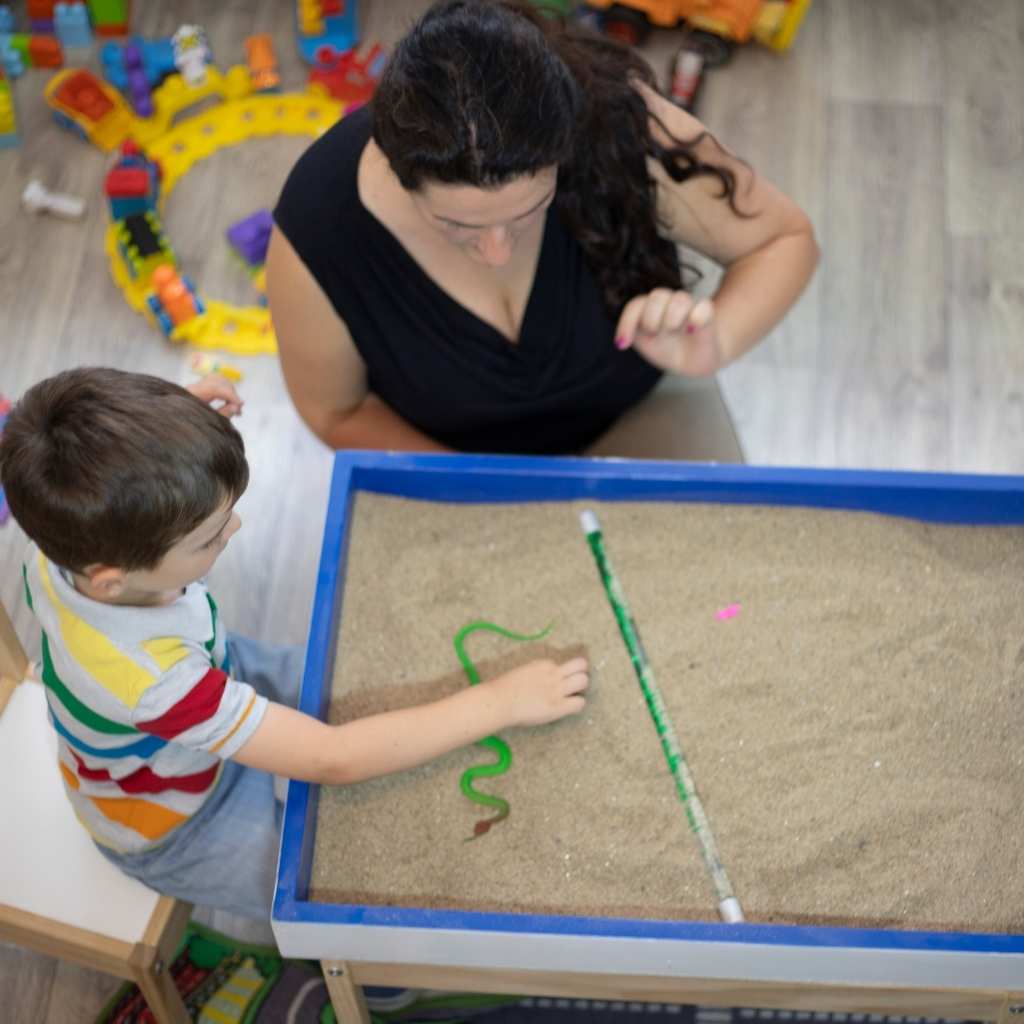
Research on Naturalistic Developmental Behavioral Interventions (NDBIs) describes approaches that use children’s interests, natural interactions, and developmentally appropriate activities to create meaningful learning opportunities.
Because every child learns differently, play-based ABA therapy is tailored to each child’s strengths, interests, and developmental needs.
Why Is Play Important for Early Childhood Learning?
Play is one of the primary ways young children explore their environment, practice new skills, solve problems, and interact with others. Because play is naturally motivating, it often creates opportunities for learning that feel enjoyable rather than demanding.
The American Academy of Pediatrics notes that play is one of the primary ways young children learn, explore their environment, develop social skills, build problem-solving abilities, and strengthen relationships with others.
Toddlers are naturally curious. They learn by exploring how objects work, observing people, testing boundaries, and engaging in activities that capture their attention.
When children are interested in an activity, they tend to be more willing to participate, try new things, and remain engaged for longer. This is one reason play-based interventions are frequently used during early childhood and why play often serves as a foundation for early intervention for autism and other developmental supports.
3 Ways Play-Based ABA Therapy Uses Everyday Activities to Teach Skills

Play-based ABA therapy uses activities children already enjoy to create natural opportunities for learning. Therapists follow a child’s interests while incorporating individualized goals into everyday interactions and experiences.
This approach recognizes that learning does not have to happen only during structured lessons. Some of the most meaningful opportunities occur while children are engaged in activities they genuinely enjoy. These are some ways therapists use play-based ABA techniques to teach children:
1. Following the Child’s Motivation
Motivation plays an important role in learning.
A child who loves trains, bubbles, animals, building toys, music, or movement activities may be more likely to engage when those interests are incorporated into therapy; this inclusion encourages participation and creates opportunities for skill development.
2. Creating Opportunities Within Play
Therapists do not typically interrupt play to teach objective skills; instead, they build learning opportunities into the activity itself.
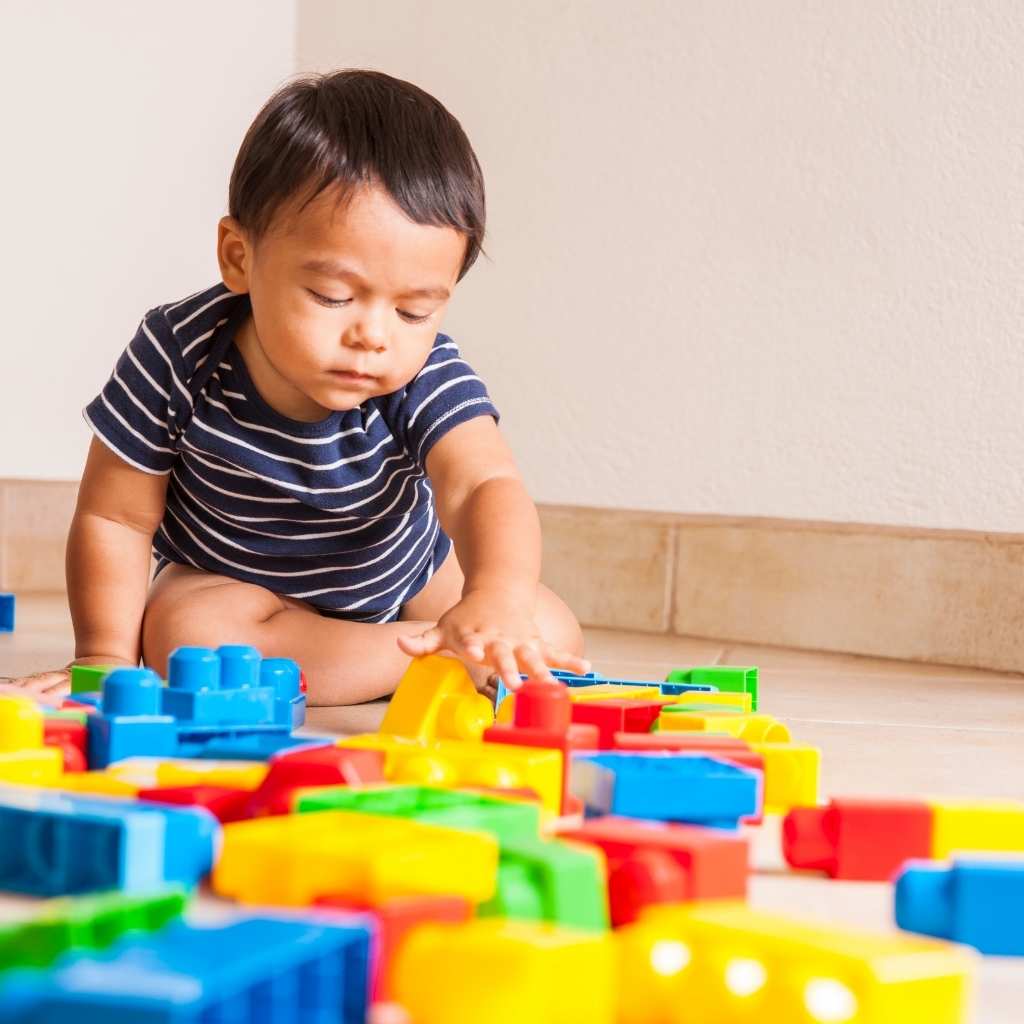
For example, while a child is building a tower, the therapist may create opportunities for turn-taking, problem-solving, flexibility, participation, or even coping with frustration and adapting to unexpected changes. During a pretend-play activity, the child may practice following directions, sharing attention, or interacting with another person.
While the activities may look like simple play, they target specific objectives identified in the child’s treatment plan and collect information about how the child responds to different learning opportunities.
3. Keeping Learning Relevant
One reason play-based ABA can be effective for young children is that the learning occurs within situations that already matter to them.
When children practice skills during activities that interest them, those skills may feel more relevant and easier to use in other everyday situations. The research mentioned above highlights the value of learning through meaningful activities, natural interactions, and real-world experiences that encourage engagement and participation.
How Play Supports Individualized Treatment Goals
Although play-based ABA therapy often looks child-led, each activity is selected with a specific purpose in mind. ABA professionals identify individualized goals based on a child’s strengths, needs, and developmental priorities, then use play as a way to practice those skills in meaningful situations.
This information helps guide treatment decisions and ensures that activities remain aligned with the child’s goals while supporting meaningful developmental growth.
Supporting Learning Through Play with the Naturalistic Intervention Framework
It’s important to focus on teaching skills within activities and environments that are already meaningful to the child. Rather than creating artificial situations for learning, ABA professionals use naturally occurring opportunities throughout play, routines, and everyday experiences.
The AFIRM Naturalistic Intervention framework explains that learning opportunities can be embedded within everyday activities, routines, and interactions that are already meaningful to the child. If a child is excited about a favorite activity, the therapist may use that moment to support participation, engagement, flexibility, or other individualized goals. Although the learning opportunity occurs naturally, it still follows a structured treatment plan and measures progress toward specific objectives.
Learning happens within real-world experiences, and children remain actively involved throughout the process if they are genuinely interested and engaged.
What Families Can Expect from Play-Based ABA Therapy in ABA Centers of Pennsylvania
Families can expect play-based ABA to be individualized, engaging, and clearly goal-oriented. While sessions look playful and child-led, ABA professionals are not just playing; they are intentionally using those activities as part of a structured ABA treatment plan to support specific developmental goals.
No two children have identical therapy experiences. Activities are selected based on the child’s interests, strengths, developmental needs, and defined ABA goals. Our professionals identify measurable goals, track progress through ongoing data collection, evaluate which strategies are most effective, and adjust activities as the child develops new skills.

In our services, we are committed to ensuring that developmental supports are clinically driven and tailored to each child. Similarly, play-based ABA adapts learning opportunities to what motivates and engages each child, rather than relying on a standard set of activities.
Parents often notice professionals joining the child’s play, following the child’s interests, adapting activities throughout the session, and creating learning opportunities in everyday experiences. Behind the scenes, therapists are continuously taking data, prompting, reinforcing, and adjusting strategies based on ABA principles.
The result is an early-intervention approach to autism that balances structure with flexibility while keeping the child actively engaged.
If you have already explored ABA therapy for toddlers, you may recognize many of the same principles, with a specific focus on how play creates learning opportunities. For young children, play is much more than a way to pass the time. It is one of the primary ways they explore, learn, build relationships, and interact with the world around them.
Play-based ABA combines the natural benefits of play with individualized, evidence-based learning opportunities designed to support developmental growth. By following a child’s interests and incorporating goals into meaningful activities, therapists can create experiences that are both enjoyable and purposeful.
Families across Pennsylvania can access a modern play-based ABA therapy service that supports learning through play, motivation, and meaningful interactions. Find us in the areas of Philadelphia, Langhorne, Wayne, Horsham, and Bala Cynwyd. Or contact us via our website or by calling us at (844) 444-7496.