
Understanding ABA Therapy for Toddlers
Toddlers learn through play, exploration, movement, and everyday interactions. Because of this, ABA therapy for toddlers is often designed around activities that help therapists understand how a child learns, what motivates them, and where they may need additional support.
Instead of focusing on formal lessons, many sessions use age-appropriate activities to encourage participation, build skills, and create meaningful learning opportunities throughout the day.
Many families exploring ABA therapy for autism want to understand what happens during sessions, how therapists work with young children, and whether therapy is appropriate for a child who is still learning through play.
This guide explains what to expect and how ABA therapy is often adapted to toddlers’ unique developmental needs.
What Is ABA Therapy for Toddlers?

ABA therapy for autism is an individualized approach that helps young children develop important skills through structured yet developmentally appropriate learning opportunities.
It doesn’t follow a one-size-fits-all program; therapists tailor activities to a child’s strengths, interests, and developmental needs, focusing on social engagement, play skills, daily routines, communication, and other areas as needed.
For many families, ABA is one part of a broader support system. Early intervention for autism may include speech therapy, occupational therapy, family support, and behavioral interventions.
What Does ABA Therapy for Toddlers Look Like?
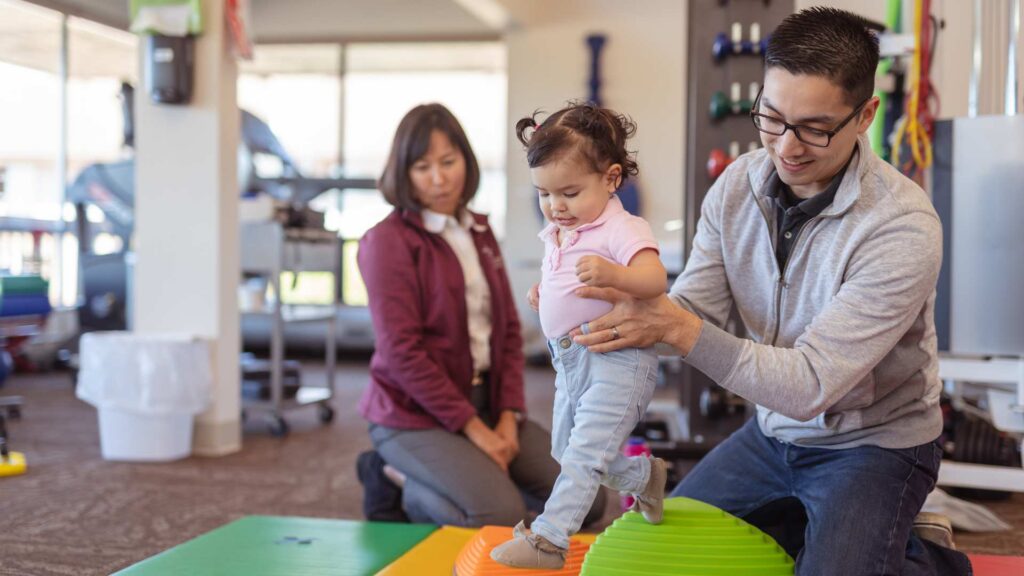
ABA therapy for toddlers often looks like guided play, everyday routines, and natural interactions designed to help children practice important developmental skills. Sessions are typically adapted to the child’s interests, attention span, and learning style.
A therapy session might involve building with blocks, reading a favorite book, playing with toy animals, taking turns during a game, or practicing a daily routine. While these activities may appear similar to typical play, they are intentionally created to teach throughout the interaction.
Research on Naturalistic Developmental Behavioral Interventions describes interventions that occur in natural settings, incorporate children’s interests, and use developmentally appropriate activities to support learning.
These approaches combine behavioral principles with everyday interactions to create learning opportunities that feel meaningful and engaging for young children:
1. Learning Through Play
Instead of separating learning from play, RBTs use preferred toys, games, and activities to encourage engagement and participation. A child’s interests can become opportunities to practice social interaction, flexibility, attention, imitation, and other foundational skills.
2. Using Everyday Routines


2. “ABA Replaces Play”
Play is frequently incorporated into toddler therapy rather than removed from it. Many learning opportunities occur during games, preferred activities, and everyday interactions.
3. “Every Child Follows the Same Program”
ABA therapy is highly individualized. Goals, activities, teaching approaches, and learning opportunities vary based on each child’s strengths, needs, and interests.
What Families Can Expect When Starting ABA Therapy

When starting ABA therapy, families can typically expect an assessment process, individualized goal development, ongoing progress monitoring, and collaboration among the child’s support team.
The first stage often involves gathering information about the child’s strengths, developmental needs, interests, and daily routines. Before goals are developed, the care team typically spends time observing how the child plays, communicates, responds to routines, and interacts with family members. These observations help create recommendations that reflect the child’s current strengths, needs, and learning style.
This information helps create personalized goals and learning opportunities that align with the child’s developmental profile.
As therapy progresses, goals may change as the child grows and as emerging needs change. Services are intended to evolve alongside development rather than remain static.
Family involvement is also common within early intervention ABA therapy. The American Speech-Language-Hearing Association notes that early intervention services are most effective when learning opportunities extend beyond therapy sessions and include the people and routines that are already part of a child’s daily life.