
Table of Contents
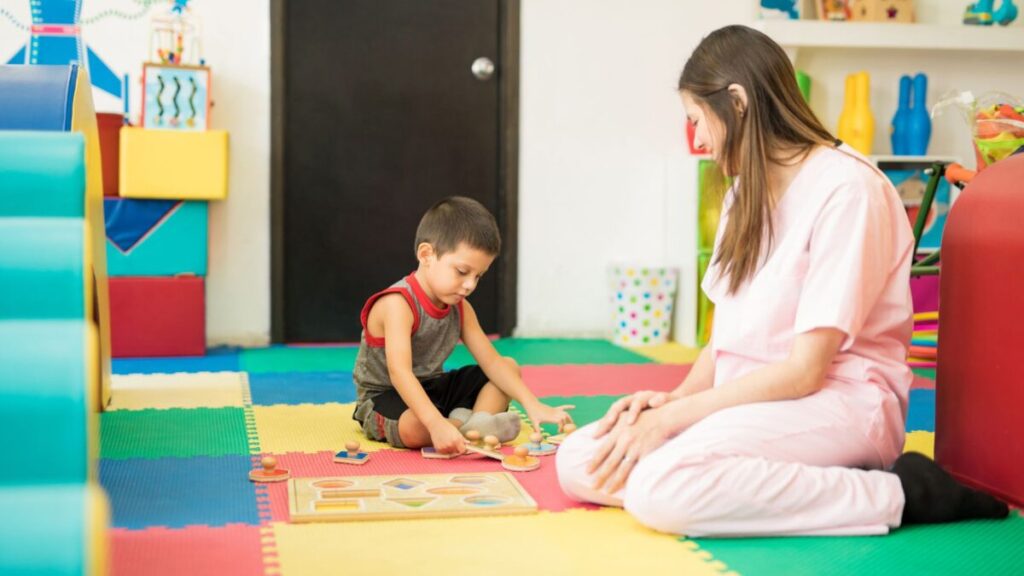
Parents sometimes picture a young child sitting across from a therapist completing structured activities for hours. But ABA therapy for toddlers can look very different. A therapist might join a child during play, create opportunities to communicate while opening a favorite toy, practice a step in handwashing, or help make transitions between activities easier.
As children move into the preschool years, their world often expands. They may encounter group activities, classroom routines, peers, greater expectations for independence, and more complex communication demands. ABA goals can evolve in response.
The important distinction is that a child doesn’t “graduate” from toddler goals to preschool goals simply because of their birthday. At ABA Centers of Pennsylvania, plan begins with the individual child: what they can already do, what is difficult today, and which skills would make the greatest difference in everyday life.
What Does ABA Therapy for Toddlers Look Like?
ABA therapy for toddlers often teaches early communication, engagement, play, and everyday skills through activities that are meaningful to a young child. The ABA plan should reflect the toddler’s developmental level and individual assessment, not a standard age-based program.
For ABA therapy for young children, learning opportunities are everywhere.
If a child wants a toy they cannot open, the therapist may use that moment to practice an appropriate way to request help. Getting ready to go outside may offer an opportunity to work on following parts of a routine. Playing with a preferred activity can create opportunities for imitation, communication, or shared interaction.
Depending on the child, ABA goals during the toddler years might include:
- Communicating wants, needs, or choices
- Engaging in functional or interactive play
- Imitating useful actions
- Participating in simple daily routines
- Moving between activities
- Developing early independence skills
These are examples, not a developmental ABA checklist. One toddler may already have some of these skills and need support in other areas.
Why Is Play Often Part of Early Intervention ABA Therapy?
Play-based ABA therapy provides a natural context for young children to communicate, interact, explore, and learn. In ABA, therapists can use preferred play activities to create individualized teaching opportunities without separating every skill from the situations where a child may actually use it.
Consider a toddler who loves toy cars.
A therapist could use that interest to practice requesting a car, choosing between two options, imitating an action, taking a turn, or communicating when help is needed. The activity is enjoyable, but the therapist also makes intentional decisions about which skill to teach and when to provide support.
Naturalistic behavioral interventions have received considerable research attention in early autism intervention. A Project AIM meta-analysis published in Autism Research examined naturalistic developmental behavioral interventions and found effects across several developmental domains, while also identifying important differences based on intervention characteristics and the context in which outcomes were measured.
That evidence does not mean every toddler should receive the same play-based program. It supports a broader point: developmentally appropriate, natural contexts can be meaningful places for young children to learn.
What Communication Skills Can Toddlers Work on in ABA?
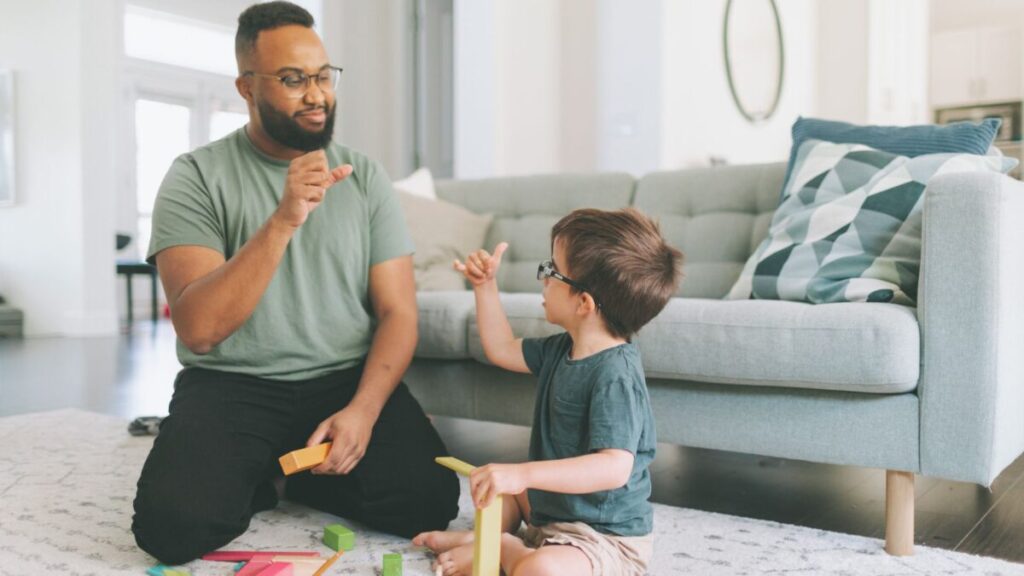
Communication goals in ABA should help a child express meaningful wants, needs, choices, or other messages using a communication method appropriate for them. Spoken language is not the only acceptable communication outcome.
For one toddler, the goal may be to request help. Another goal may be to learn to reject something appropriately, make a choice, gain someone’s attention, or communicate that they want a break.
Depending on the child and recommendations from relevant professionals, communication may involve speech, gestures, pictures, or augmentative and alternative communication (AAC).
ABA providers should also recognize when another discipline’s expertise is needed. A speech-language pathologist has specialized training in speech and language assessment and intervention, while a BCBA approaches communication goals from a behavior-analytic scope.
For children receiving both services, appropriate coordination can help keep communication useful across different parts of the child’s day.
How Does ABA Therapy for Preschoolers Begin to Change?
ABA therapy for preschoolers may increasingly address skills needed for greater independence, social participation, flexibility, and more complex routines. Foundational communication and play skills can remain important, but treatment priorities may expand as the child encounters new environments.
Preschool changes what many children are asked to do throughout the day.
A child may need to move through a classroom routine, communicate with several adults, spend time near peers, participate in group activities, manage transitions, and complete more tasks without one-to-one assistance.
When these areas are difficult for a child, they may become relevant ABA goals.
With ABA therapy for preschoolers young children, they may learn:
- Completing familiar routines with less assistance
- Communicating in a wider range of situations
- Participating in activities with peers
- Waiting or taking turns when developmentally appropriate
- Moving between classroom or home activities
- Building dressing, toileting, eating, or other independence skills
Again, preschool age does not automatically make these the right goals. Assessment for ABA therapy for preschoolers does.
Does ABA Therapy for Preschoolers Focus on School Readiness?
ABA therapy for young children may address skills that help an individual child participate more successfully in preschool or prepare for kindergarten when those skills are clinically appropriate. School readiness should not mean training every child to behave the same way in a classroom.
Instead, consider what participation requires.
Can the child communicate when they need help? Can they understand the routines they encounter? Can they move from one activity to another with appropriate support? Are there independence skills that would make parts of the school day easier?
These are functional questions.
An ABA program might work on relevant skills across settings and gradually introduce new situations so the child can use what they have learned beyond one therapist or treatment room.
At the same time, ABA therapy for young children is not a replacement for special education. Eligible children may receive educational and related services through their school system, and those services have their own evaluation, eligibility, and planning processes.
Is ABA Therapy for Preschoolers More Structured Than ABA for Toddlers?
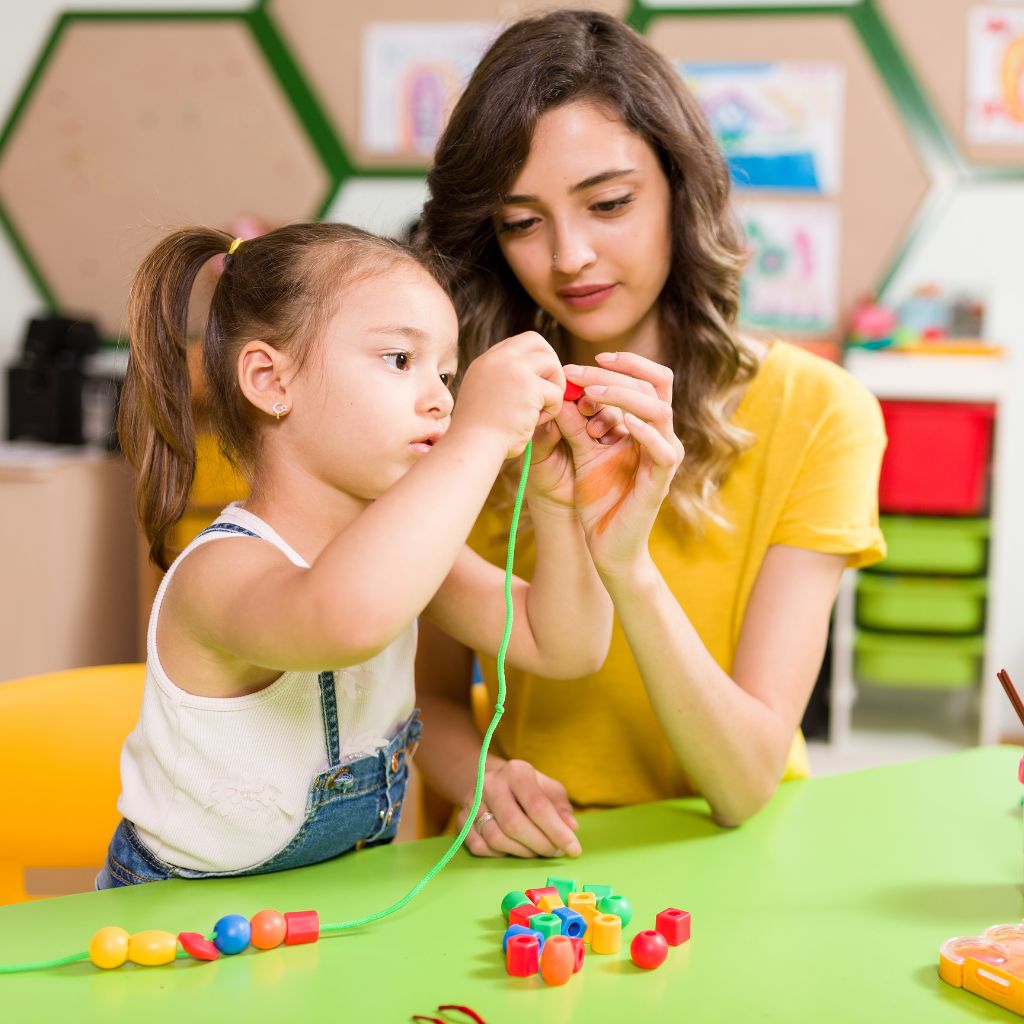
It can be, but any added structure to ABA therapy for preschoolers should serve a clinical purpose. ABA therapy for preschoolers may include more structured activities as children move into more structured environments, while still using play, choices, natural interactions, and everyday routines.
A preschooler learning to complete a short activity before moving to something else may benefit from a structured teaching opportunity. That same child might practice communication or peer interaction more naturally during play.
ABA therapy for preschoolers can use different teaching approaches according to the learner, goal, and situation.
Parents can ask their BCBA why a particular teaching method is being used and how the team plans to help the child use that skill elsewhere.
What Happens to ABA Goals as a Child Develops New Skills?
ABA goals should change as the child makes progress. An ABA therapy plan appropriate when therapy began should not remain unchanged just because those were the original goals.
Imagine a toddler who initially needed substantial support communicating basic wants.
As that skill becomes more independent, treatment may move toward communicating in additional situations, interacting with different people, participating in longer routines, or another priority identified through assessment.
This progression is one reason ongoing data collection matters in ABA.
The BCBA can review whether the child is progressing, whether teaching strategies need to change, and whether to continue, advance, or replace a goal.
Parents should also contribute information about changes they see outside therapy. A skill that appears strong during a session may still be difficult at home or preschool, and the reverse can also occur.
Does ABA Automatically Change When a Child Turns Three?
No. No universal ABA program shift happens at age three. A child’s chronological age provides context, but current skills, assessment findings, environments, and individual priorities determine treatment goals.
This matters because age three does represent a transition point in another system.
Under the Individuals with Disabilities Education Act (IDEA), Part C early intervention serves eligible infants and toddlers, while eligible children age three and older may receive preschool special education and related services under Part B.
The Early Childhood Technical Assistance Center, supported by the U.S. Department of Education’s Office of Special Education Programs, provides resources explaining these early childhood systems and transitions.
A child entering preschool may have new ABA-related needs, but the school transition itself does not dictate the ABA treatment plan.
How Can Parents Tell Whether ABA Matches Their Child’s Development?
Parents should understand why their child is working on each major goal and how that skill relates to everyday life. If the connection is unclear, ask the BCBA to explain it.
Useful questions include:
- Why is this skill a priority right now?
- Where should my child eventually use it outside ABA?
- How are you measuring progress?
- What has changed since the last treatment review?
- What can we support naturally at home?
- Are upcoming preschool or kindergarten changes relevant to the plan?
You should also expect goals to reflect your child, not assumptions about what all toddlers or preschoolers “should” do.
Two children can be four years old and have very different ABA programs. That is what individualized treatment is supposed to look like.
Choosing ABA Based on Your Child, Not Just Their Age
ABA therapy for toddlers can establish useful early skills, while ABA therapy for preschoolers may build on those skills as communication, independence, relationships, and everyday expectations become more complex.
But age categories are only one way to understand development. They are not treatment templates.
For families in Bala Cynwyd, Horsham, Allentown, and more PA areas considering early ABA, the more useful question is not “What does ABA look like for every three-year-old?” It is “What would ABA work on for my child right now?”
If you’re ready to explore how ABA therapy can support your child’s unique development, no matter their age, reach out to ABA Centers of Pennsylvania at (844) 444-7496 or fill out our online form . Our team can answer your questions, provide a personalized assessment, and help you take the next step toward meaningful, individualized progress for your child.
Disclaimer: This article is for educational purposes and is not medical advice. If you have concerns about your health or your child’s health, consult a qualified healthcare provider.