These skills can help children navigate daily situations more independently and participate more fully in family, school, and community environments.
Why Communication Skills Matter During Early Childhood
Communication affects nearly every part of a child’s daily life. Children use communication to connect with their parents, family members, and caregivers, learn new information, participate in routines, build friendships, and navigate social situations. As their communication skills develop, many children gain additional opportunities to express themselves and engage with those around them.
Communication can also support greater independence. Being able to ask for help, make choices, express preferences, or communicate basic needs often helps children participate more successfully in everyday activities.
For many families exploring ABA therapy for autism, communication development is one of the primary reasons they seek support during early childhood.
How ABA Therapy Teaches Communication Through Everyday Activities
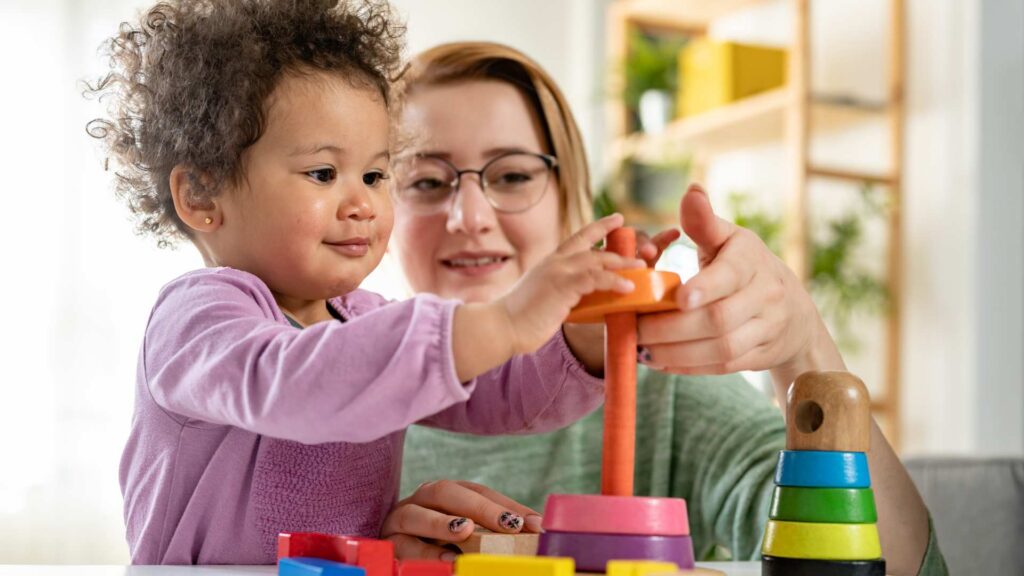
Communication skills are often most meaningful when they are practiced in situations where children naturally want or need to communicate. Because of this, communication-focused ABA therapy frequently uses everyday activities to create opportunities for children to express themselves, interact with others, and participate more actively in their environment.
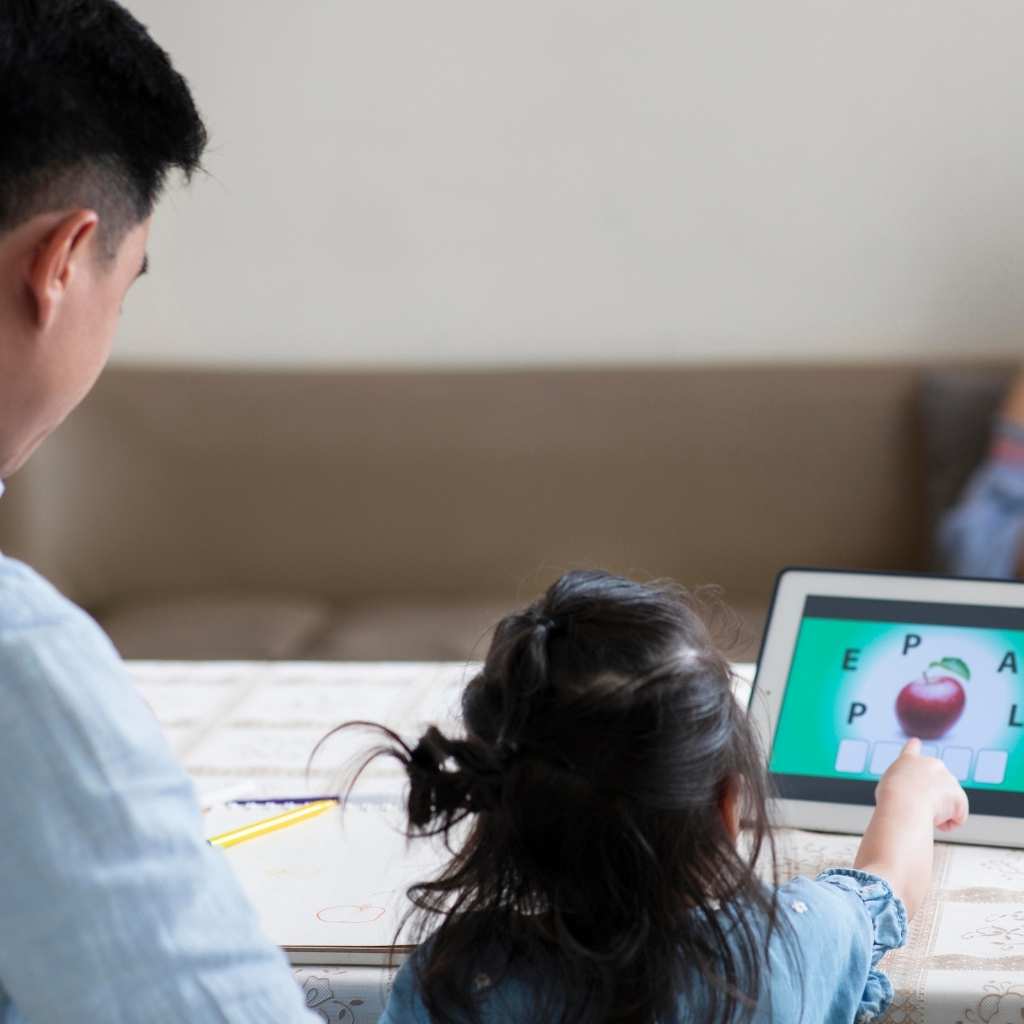
Rather than teaching communication only during structured learning activities, ABA therapy frequently incorporates communication goals into situations that are already part of a child’s routine. Many of the same play experiences, routines, and natural interactions discussed in our guide to ABA therapy for toddlers can create opportunities for communication development.
During Play
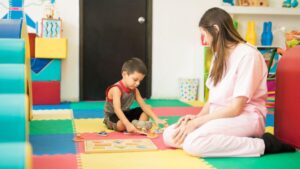
Play naturally encourages communication. A therapist might create opportunities for a child to request a favorite toy, make choices during an activity, ask for help, or share attention with another person. These interactions help children practice communication skills within activities they already enjoy.
During Daily Routines
Everyday routines provide frequent opportunities for communication practice. Snack time, cleanup, getting dressed, transitioning between activities, and participating in family routines can all create opportunities for children to communicate their needs, preferences, and responses.
During Social Interactions
Communication and social interaction often develop together. Research on Naturalistic Developmental Behavioral Interventions highlights the importance of supporting social communication skills such as shared attention, reciprocal interaction, and engagement with others during everyday activities.
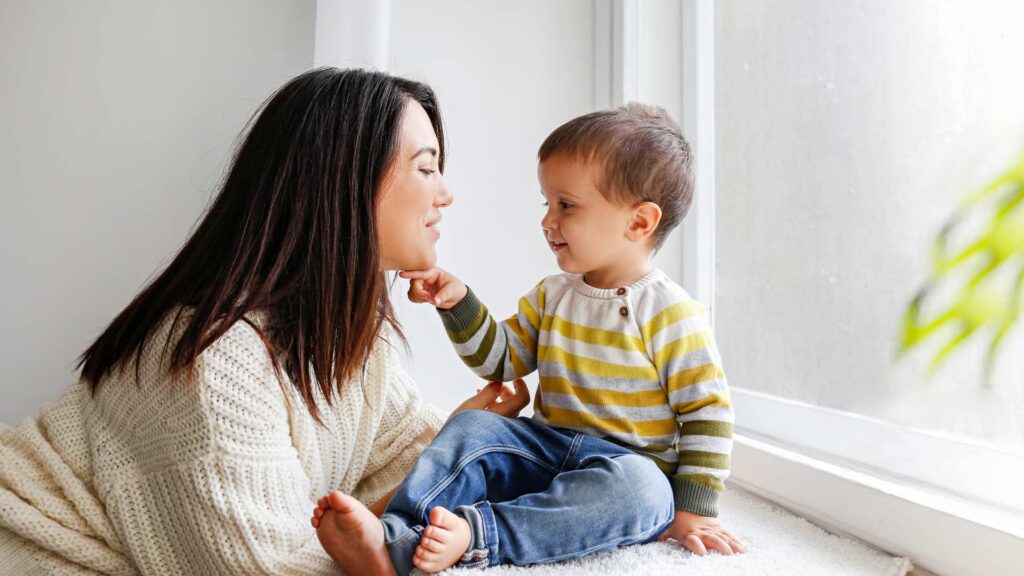
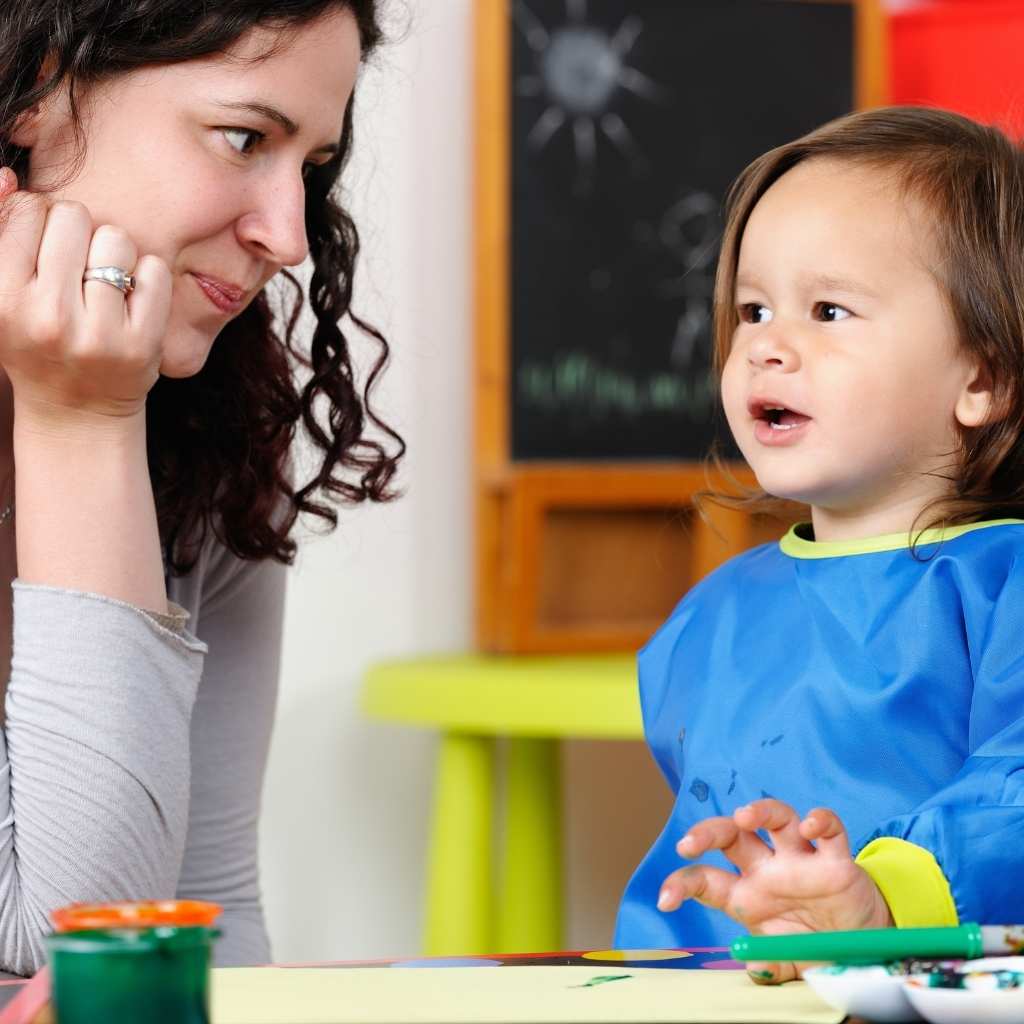
Therapists focus on supporting children as they learn to respond to others, initiate interactions, participate in simple exchanges, and engage more comfortably with family members, caregivers, and peers.
Following a Child’s Interests
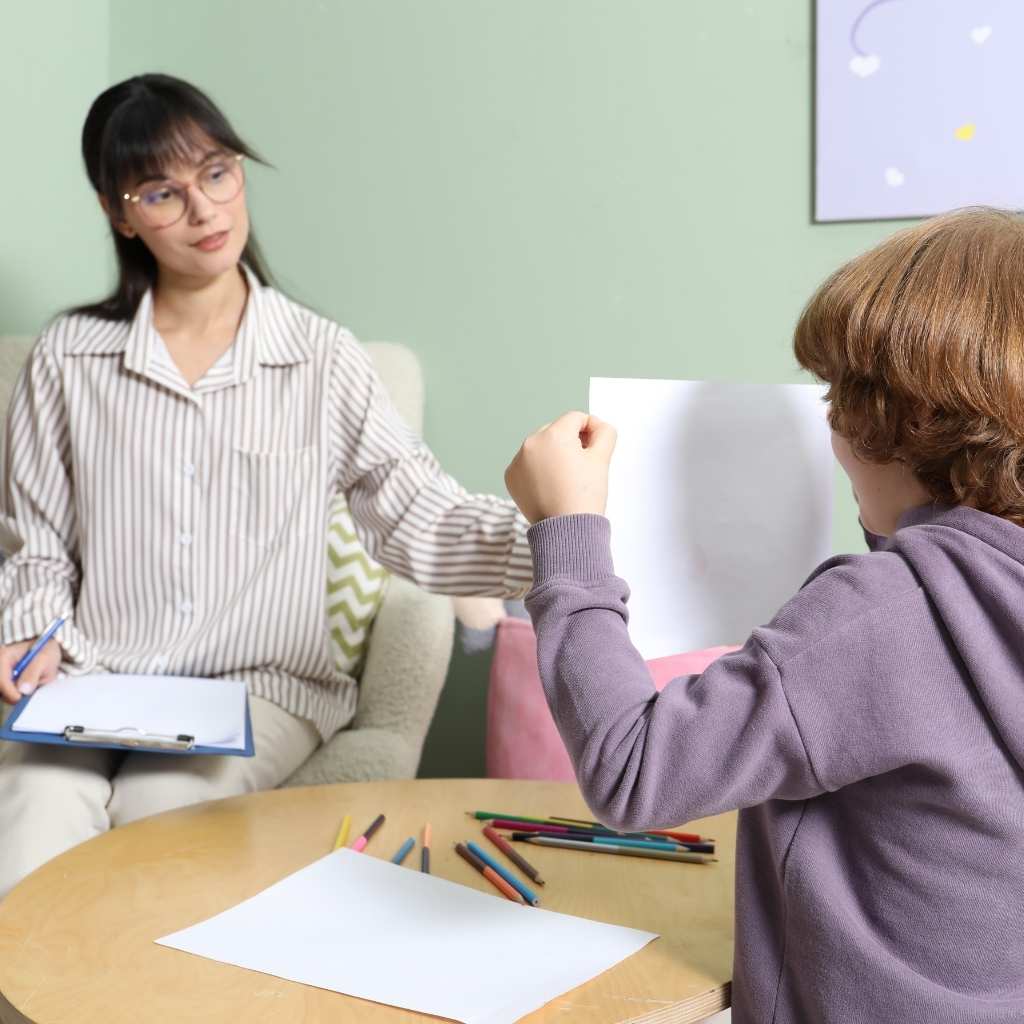
What Progress May Look Like Over Time
Communication progress looks different for every child. Rather than following a predictable timeline, growth is typically measured by a child’s individual goals, strengths, and developmental needs.
For one child, progress may involve learning to request preferred items more consistently. For another, it may involve participating more often in social interactions, responding to questions, using new communication methods, or expressing needs with greater independence.
Some families notice changes in how their child participates in routines or interacts with others. Others observe growth in a child’s ability to communicate preferences, make choices, or engage in everyday activities.
Because communication development is highly individualized, progress often reflects meaningful improvements in a child’s ability to connect with the people and environments around them.
Support Your Child’s Communication Beyond Therapy Sessions
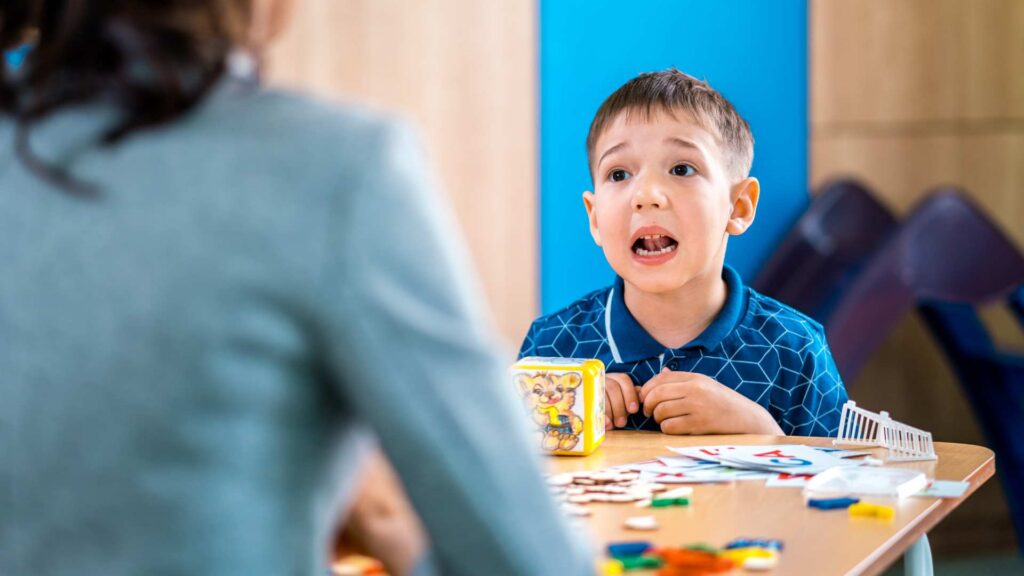
Communication development does not occur only during therapy sessions.
Children communicate throughout the day while playing, eating, learning, participating in routines, and interacting with others. Because of this, opportunities for communication naturally arise across many environments and activities.
Collaboration among therapists, families, educators, and other members of a child’s support team can help create consistency and encourage growth in communication across settings, giving significant value to family-centered early intervention and cross-environment collaboration.
While every child follows a unique path, supportive communication opportunities throughout daily life can reinforce the skills children are learning.
Build Meaningful Connections Through Communication with ABA Centers of Pennsylvania
Communication is about much more than words. It is how children express themselves, connect with others, participate in daily activities, and share their experiences with the world around them.
ABA communication skills focus on helping children develop practical, functional ways to communicate that reflect their individual strengths and needs. Whether communication involves spoken language, gestures, visual supports, AAC systems, or a combination of methods, the goal remains the same: helping children build meaningful connections and participate more fully in everyday life.
If your family is in Pennsylvania, and you want to understand how communication-focused ABA therapy works, explore our available supports. We’ll help you identify opportunities that align with your child’s unique communication journey. Reach out to us at (844) 444-7496 or fill out our contact form, and we’ll reach back to you.