

However, ABA therapy sessions typically occur for limited hours each week, perhaps 10 to 25 hours depending on your child’s needs and insurance coverage. The remaining 148 hours of the child’s week happen at home, in community settings, and during daily routines where the parent or caregiver has the most influence.
What Is Parent Training in ABA?
Parent training in ABA refers to structured sessions where the Board Certified Behavior Analysts (BCBAs) teach parents and caregivers how to apply behavioral principles in everyday life. ABA therapists provide parents with the tools and confidence to extend learning beyond therapy hours.
In training, parents learn to:
- Break down daily routines into small, teachable steps
- Use positive reinforcement to encourage desired behaviors
- Respond effectively to challenging behaviors
- Promote communication, social skills, and independence in natural environments
The idea is simple: many children with autism thrive on repetition and consistency. Since parents spend the most time with their children, they’re in the best position to help reinforce what’s learned during ABA sessions.
That is why the role of the caregiver in ABA extends far beyond attendance at therapy sessions. They become the bridge between structured clinical settings and real-world application, ensuring that the child can use the skills they learn during formal sessions and flourish in natural environments.
The Critical Role of Caregivers in ABA Success
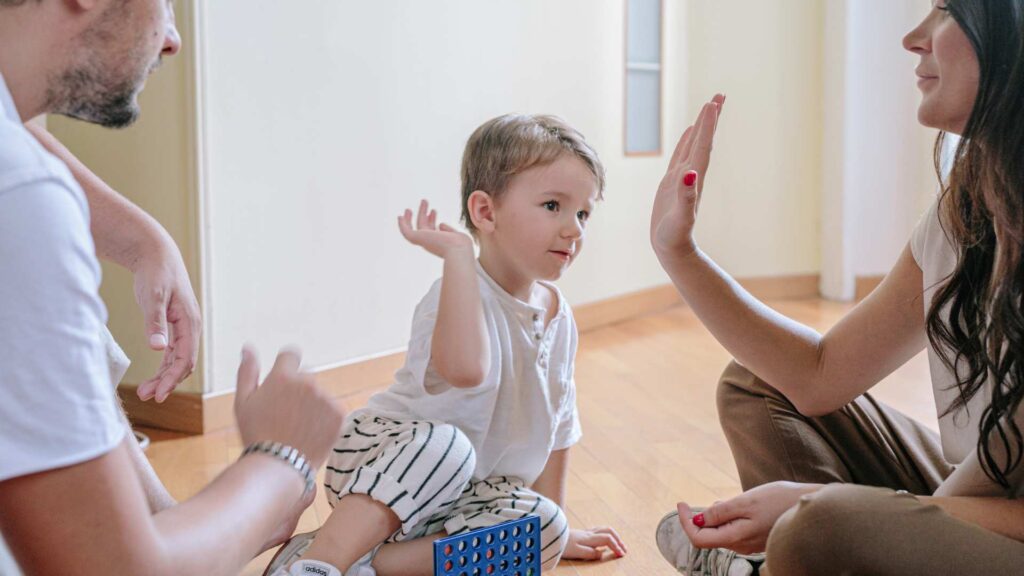
The role of caregivers in ABA creates a multiplier effect that can significantly accelerate progress. When parents apply therapeutic strategies across all environments, children develop stronger, more generalized skills that transfer effectively to real-life situations. For instance:
Consistency Across Environments
Children with autism often struggle with generalizing skills learned in one setting to another. When parents implement the same behavioral strategies that their child’s ABA team uses, they eliminate this barrier. The prompting techniques, reinforcement schedules, and communication methods become familiar tools your child can rely on regardless of location.
For example, if your child is learning to request items using picture cards during therapy sessions, continuing this system at home during snack time, play, and daily routines reinforces the skill in natural contexts where they need it most.
Real-Time Problem Solving
Caregivers witness the child’s behaviors in situations that therapists may never observe. For example, during family gatherings, grocery shopping trips, bedtime routines, or playground interactions. Your insights about what triggers challenging behaviors or what motivates your child in specific circumstances provide invaluable information that shapes more solution-oriented ABA treatment plans.
Building Natural Learning Opportunities
Daily life presents countless teaching moments that parents can transform into learning opportunities using ABA principles. Making breakfast becomes a chance to practice following multi-step directions, choosing clothes develops decision-making skills, and playing with siblings creates natural social interaction practice.
Parent Training in ABA: What to Expect
Practical parent training in ABA goes beyond simple explanations of techniques. Quality programs provide hands-on learning experiences that build your confidence and competence in supporting your child’s development.
Core Training Components Include:
Behavioral Principles: You’ll learn the fundamental concepts behind ABA, including how positive reinforcement works, why consistency matters, and how environmental changes can influence behavior. Understanding these principles helps you make informed decisions about how to respond to various situations throughout the day.
Data Collection: Parent training in ABA teaches you simple ways to track your child’s progress at home. You might learn to count specific behaviors, rate skill demonstrations, or note circumstances that lead to successful interactions. This data becomes essential feedback that helps the BCBA and RBT understand what’s working and what needs adjustment.
Prompting and Fading: You’ll practice providing appropriate levels of support to help your child succeed while gradually reducing assistance as independence grows. Learning when to offer physical guidance, visual cues, or verbal reminders, and when to step back, requires skill that develops through practice and feedback.
Crisis Management: Parent training in ABA addresses how to handle challenging behaviors safely and effectively. You’ll learn de-escalation techniques, prevention strategies, and appropriate responses that maintain your child’s dignity while keeping everyone safe.
Why the Role of Caregivers in ABA Truly Matters!