
Gut-Brain Axis and Autism: Understanding the Connection Between the Gut and the Brain

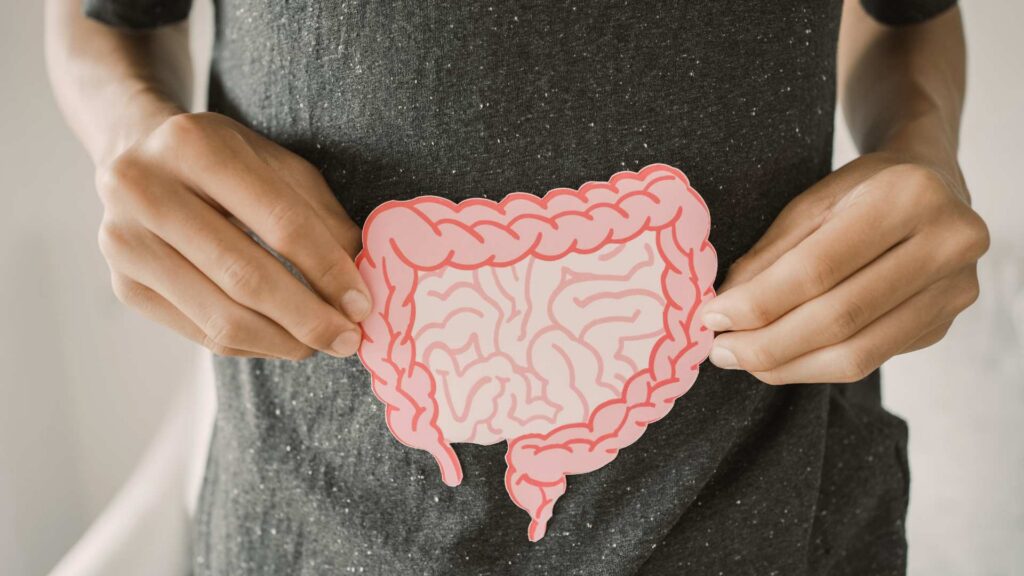
Hands holding a simple gut diagram to highlight the connection between the Gut-brain axis and autism

Table of Contents

Interest in the Gut-brain axis and autism has grown significantly in recent years. Researchers are exploring how the digestive system and the brain communicate, and how this relationship may influence overall health and behavior in individuals on the spectrum.

According to research, children with autism are more likely than their neurotypical peers to experience gastrointestinal symptoms such as constipation, diarrhea, bloating, or abdominal discomfort. Because of this, the gut-brain connection in autism has become an area of active scientific investigation. However, it is important to clarify from the beginning: current research does not show that gut issues cause autism. Instead, studies suggest that gut health may influence certain symptoms or overall well-being.

In this blog by ABA Centers of Pennsylvania, we explain what the gut-brain axis is, how autism and the gut may be connected, what current research suggests, and what families should realistically understand about supporting gut health.

What Is the Gut-Brain Axis?

The gut-brain axis refers to the two-way communication system between the gastrointestinal system and the brain. This communication occurs through:

  • The vagus nerve
  • Hormonal signaling
  • The immune system
  • The gut microbiome

The gut microbiome consists of trillions of bacteria and microorganisms living in the digestive tract. These microbes help with digestion, immune regulation, and even the production of certain neurotransmitters.

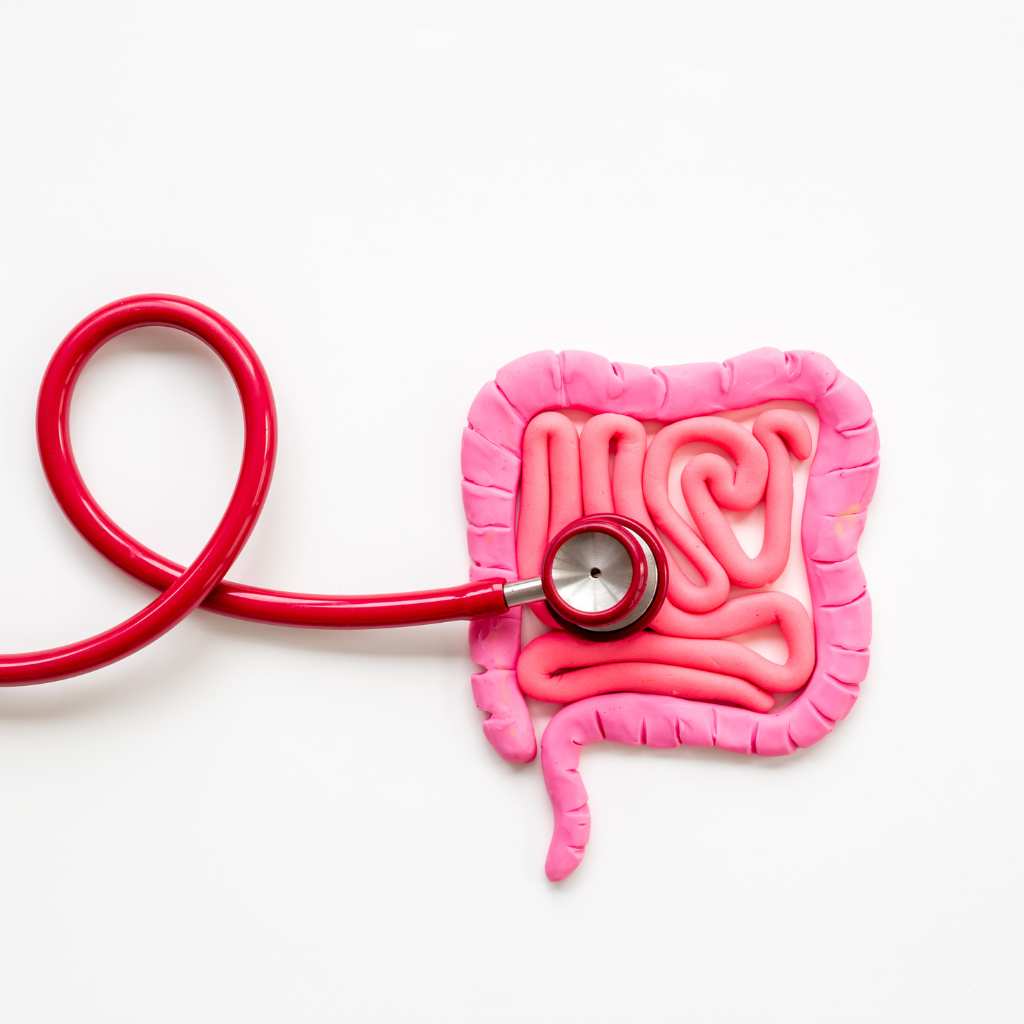
Stethoscope touching a stylized intestine to show gut–brain connection

Because of this communication network, changes in gut health can influence mood, stress responses, and inflammation. Likewise, stress and neurological factors can affect digestion.

Autism and the Gut: Why Is There So Much Interest?

As said earlier, gastrointestinal symptoms are more common in children with autism compared to the general population. Studies report varying prevalence rates, but many families observe patterns such as:

  • Chronic constipation
  • Food sensitivities
  • Selective eating
  • Abdominal discomfort

These patterns have led researchers to examine the Gut-brain axis and autism more closely.

A study by Nature compared children with autism to their siblings and parents to reduce the influence of shared genetics and environment. They found that children with autism had a different balance of gut bacteria, specifically, lower levels of beneficial bacteria such as Bifidobacterium and higher levels of others, such as Bacteroides and Clostridium. These differences were also linked to autism-related symptoms.

These differences may also influence inflammation, immune function, and neurotransmitter signaling. However, this area remains complex and not fully understood.

How Does the Gut-Brain Connection in Autism Work?

The gut-brain connection in autism is thought to involve several mechanisms:

  1. Neurotransmitter Production

The gut plays a role in producing and regulating neurotransmitters such as serotonin and GABA. These chemicals influence mood, anxiety, and behavioral regulation.

For example, a large portion of the body’s serotonin is produced in the gastrointestinal tract. Differences in serotonin regulation have been observed in some individuals with autism, although the relationship is still being studied.

The Journal of Clinical Medicine reviewed how brain and gut health influence each other, showing that neurological conditions can affect digestion and gut function, and gut changes can also impact mood, behavior, and brain development.

They found that factors like stress can disrupt both brain processing and gut activity, and that chemicals like serotonin play an important role in both emotional regulation and physical development. The study also highlights how gut health, including microbiota balance and nutrient absorption, may be linked to cognitive development and neurodegenerative conditions.

  1. Immune System Interaction

The gut microbiome interacts closely with the immune system. Some research suggests that immune activation and inflammation may influence neurological development. This does not mean the gut causes autism, but it may play a role in how certain symptoms manifest.

  1. Sensory and Behavioral Factors

Child leaning on the table with food left on the plate to show challenges with eating in autism

Selective eating patterns are common in autism. Texture sensitivities, rigid preferences, and restricted diets can influence gut health. A limited dietary variety may reduce microbiome diversity, which, in turn, may affect digestion and comfort.

In this way, autism and the gut may influence each other in multiple directions.

Does Gut Health Cause Autism?

No current scientific evidence supports the idea that gut bacteria cause autism.

Autism is a neurodevelopmental condition influenced by genetic and developmental factors. The Gut-brain axis and autism research focus on co-occurring gastrointestinal differences and how they may impact comfort, behavior, or symptom severity, not causation.

Families should be cautious of programs or supplements that claim to “cure” autism through gut treatments. Such claims are not supported by scientific consensus.

Can Supporting Gut Health Improve Well-Being?

While gut health does not treat autism itself, supporting digestive health can improve comfort and overall quality of life.

Potential supportive strategies may include:

  • Ensuring adequate hydration
  • Increasing dietary fiber when appropriate
  • Encouraging balanced nutrition
  • Consulting pediatricians about gastrointestinal concerns
  • Considering probiotic use under medical supervision

Parents should always consult qualified healthcare providers before introducing supplements or dietary changes.

Feeding Challenges and the Role of ABA Therapy

Many children on the spectrum experience feeding challenges, also known as picky eating, related to sensory sensitivities. Limited food variety can affect nutritional balance and digestive health.

ABA therapy can support:

  • Gradual expansion of food choices
  • Tolerance of new textures
  • Mealtime routines
  • Reduction of feeding-related anxiety

Behavioral strategies focus on increasing flexibility and building positive eating habits without forcing or overwhelming the child.

What Parents Should Focus On

When considering the Gut-brain axis and autism, parents should keep these principles in mind:

  • Autism is not caused by gut bacteria.
  • Gastrointestinal symptoms should be evaluated medically.
  • Nutrition supports overall health but does not replace developmental therapies.
  • Evidence-based interventions remain the foundation of autism support.

Balanced, informed decision-making is essential.

Comprehensive Autism Support in Pennsylvania

At ABA Centers of Pennsylvania, we recognize that children on the spectrum are whole individuals. Discussions about autism and the gut highlight the importance of addressing physical comfort alongside communication, behavior, and daily living skills.

Our team provides:

  • Autism diagnostic evaluations
  • Early intervention services
  • Individualized ABA therapy
  • Parent collaboration and training
  • Support in home, center, and community settings

While emerging research on the gut-brain connection in autism continues to evolve, evidence-based behavioral therapy remains central to helping children build meaningful skills and independence.

If you are seeking autism diagnostic services or ABA therapy in Pennsylvania, contact us at (844) 444-7496 or fill out our online form to learn how our personalized programs can support your child’s development.

Scroll to Top