
Table of Contents
Is the New Autistic Barbie a Good Representation?
When Autistic Barbie was introduced, it quickly became part of a much larger conversation, one that goes beyond toys and into how society understands autism. For many families, especially those raising individuals on the autism spectrum, autism representation has long been limited, simplified, or missing altogether.
Autistic Barbie helps bring autism into everyday spaces, but she also highlights how much there is still to learn.
More than a doll, Autistic Barbie highlights the importance of autism representation, autism acceptance, and diversity. She encourages children and adults to see autism not as something unfamiliar or misunderstood, but as a natural part of human variation.
This blog by ABA Centers of Pennsylvania explores what Autistic Barbie represents, why inclusive play matters, and how representation, education, and support must work together to create meaningful change for individuals on the autism spectrum and their families.
What Makes Autistic Barbie Meaningful
Autistic Barbie includes thoughtful details that reflect everyday experiences of individuals with autism, particularly related to sensory processing, communication, and self-regulation.
Sensory-Friendly Clothing and Design
The doll’s clothing features calming colors and comfortable textures, reflecting how sensory sensitivities can influence clothing choices for individuals with autism.
Noise-Canceling Headphones
The inclusion of noise-canceling headphones represents a common sensory support used to reduce overwhelming sounds and promote comfort in busy environments.
Fidget Spinner for Regulation
Autistic Barbie includes a fidget spinner, a tool often used to help individuals on the autism spectrum manage sensory input, stay focused, or regulate emotions.
Articulated Movement
With articulated wrists and elbows, Autistic Barbie allows for natural hand and arm movements that reflect stimming or expressive gestures, necessary forms of self-regulation for many individuals with autism.
Subtle Eye Gaze
The doll’s side-oriented eye gaze reflects how some individuals on the autism spectrum may prefer limited eye contact, challenging misconceptions about engagement and communication.
Together, these features support autism representation while acknowledging that experiences vary widely across the spectrum.
Why Autism Representation in Toys Is Important
Play plays a central role in early childhood development. According to the American Academy of Pediatrics, play supports communication skills, emotional development, social interaction, and problem-solving.
When toys fail to reflect diverse experiences, children who live outside the “typical” narrative may feel invisible.
For individuals on the autism spectrum, seeing aspects of their daily experiences reflected in play can reinforce a sense of belonging. For children without autism, inclusive toys help reduce stigma and foster respect, key foundations of autism acceptance.
Autism Is More Visible Than Ever—Yet Still Misunderstood
Autism is discussed more openly today than it was a generation ago. According to the Centers for Disease Control and Prevention (CDC), autism spectrum disorder affects 1 in 31 children in the United States, making it a standard part of many communities.
Yet despite increased awareness, misconceptions remain widespread. Autism is often portrayed as a single experience, when it is a spectrum with a wide range of abilities, communication styles, and support needs. This misunderstanding can lead to stigma, unrealistic expectations, or judgment toward individuals with autism and their families.
Representation plays a role in addressing this, but only when it is paired with education and context.
What Autistic Barbie Represents—and What She Cannot
Autistic Barbie is part of Mattel’s broader movement toward inclusion within children’s toys. Developed with guidance from autism advocates, including the Autistic Self Advocacy Network and professionals, the doll reflects everyday supports and experiences familiar to many individuals with autism.
The doll’s design includes elements that many families recognize from daily life, such as sensory supports and tools for self-regulation.
She represents:
- Visibility in mainstream culture
- Normalization of accommodations
- A starting point for conversations about autism
However, Autistic Barbie cannot represent the entire autism spectrum. Autism diversity includes individuals with varying cognitive abilities, language skills, sensory profiles, and levels of independence. Some individuals require minimal support, while others need significant daily assistance.
Because of this, some families and individuals with autism may not feel fully represented by the doll, and that perspective is valid.
Recognizing these limits is not a criticism of Autistic Barbie. It is an essential reminder that autism representation must be broad, ongoing, and inclusive of many voices.
Understanding Autism Diversity
Autism is a spectrum, meaning it includes a wide range of abilities, communication styles, sensory experiences, and support needs. Some individuals with autism may communicate verbally, while others may rely on alternative communication methods. Some may need minimal support, while others require more intensive care.
Because of this diversity, no single doll can represent the whole autism spectrum. Some families and individuals on the autism spectrum may not see their experiences reflected in Autistic Barbie, particularly those with higher support needs or less visible challenges.
This situation does not take away from the value of Autistic Barbie. Instead, it reinforces an important truth: autism diversity cannot be captured by one image or story. Representation is a starting point, not the destination.
The Connection Between Play and Play-Based ABA Therapy
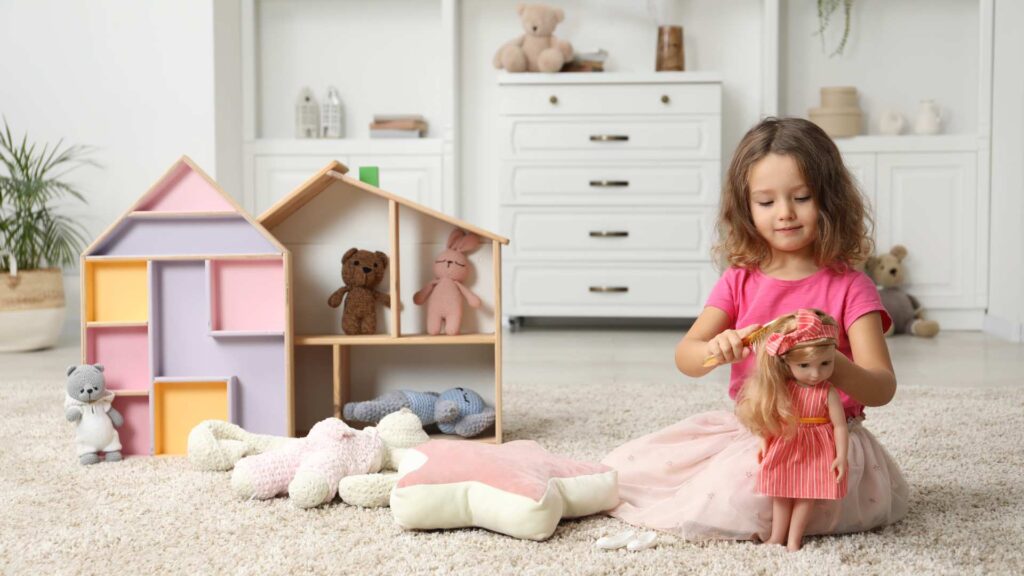
As said earlier, play is not only meaningful, but it is a powerful learning tool. Play-based ABA therapy uses structured play to help individuals on the autism spectrum build positive skills in ways that feel engaging and natural.
Through play-based ABA therapy, children can work on:
- Communication and language skills
- Social interaction and cooperation
- Emotional regulation
- Daily living and independence skills
Rather than removing joy from learning, play-based ABA therapy builds on a child’s interests and strengths. It meets children where they are and uses play as a bridge to confidence, understanding, and growth.
Supporting Families Across Pennsylvania
At ABA Centers of Pennsylvania, we understand that autism is not a single story. Every individual on the autism spectrum has unique strengths, challenges, and goals, and support should reflect that.
We provide individualized autism services, including:
- Diagnostic support
- Early intervention
- ABA therapy in center-based, home, and school settings
Our team partners with families to create supportive learning environments that respect each child’s individuality while helping them build skills that enhance quality of life.
Beyond therapy, ABA Centers of Pennsylvania is committed to education and community outreach, helping families feel supported and helping communities move from awareness to understanding.
If you are navigating an autism journey, you do not have to do it alone.
Contact us online or call us at (844) 444-7496 to learn how our team supports individuals on the autism spectrum and their families through compassionate, evidence-based care.