

Table of Contents
Valentine´s Day can be more than a holiday. It can be a powerful learning opportunity. When planned with intention, an autism-friendly Valentine´s Day lets children with autism practice communication, connection, and emotional understanding in ways that feel supportive rather than overwhelming.
Instead of focusing on pressure or expectations, families can use this time to create structured, meaningful moments that reinforce learning. With the right preparation and the support of ABA therapy, Valentine´s Day can help children strengthen confidence and build skills that extend far beyond the holiday itself.
In this article by ABA Center of Pennsylvania, we share practical Valentine´s Day tips for autism, autism-friendly activities, and insight into how ABA therapy guides children develop social and communication skills in everyday settings, helping them thrive.
What Makes Valentine´s Day Autism-Friendly?
An autism-friendly Valentine´s Day centers on predictability, flexibility, and clear communication. Instead of following traditional holiday norms, families can adapt celebrations to meet a child’s unique strengths and needs.
According to guidance from Autism Parenting Magazine, children with autism often thrive when expectations are clear, and experiences are adjusted to reduce social and sensory overload. An autism-friendly approach may include:
- Explaining activities ahead of time
- Keeping routines consistent
- Offering choices instead of demands
- Allowing breaks when needed
These strategies help children feel safe and supported, setting the stage for meaningful learning opportunities during Valentine´s Day.
Social Skills Children Can Practice During Valentine´s Day
Holidays naturally involve interaction, which makes them ideal moments to practice social skills in autism. When broken down into manageable steps, Valentine´s Day activities can support skill development without pressure.
Some social and communication skills children may practice include:
- Taking turns during games or crafts
- Asking for help or materials
- Responding to greetings like “Happy Valentine´s Day”
- Expressing preferences or emotions
- Sharing items or activities with others
Autism Speaks explains that skills are often learned best through repetition and real-life practice. Valentine´s Day provides a natural context to reinforce these skills while keeping interactions purposeful and positive.
4 Autism-Friendly Valentine´s Day Activities That Support Learning
The key to an autism-friendly Valentine´s Day is choosing activities that feel structured, engaging, and adaptable. Below are activity ideas designed to support learning while honoring individual comfort levels.
Card-Making with Purpose

Creating Valentine’s cards can help children practice requesting supplies, following steps, and giving items to others. Offering visual instructions or modeling each step can make the activity more approachable.
This is one of the most effective Valentine´s Day tips for autism because it blends creativity with communication practice.
Kindness-Based Activities
Simple acts of kindness, such as helping set the table or choosing a shared activity, allow children to explore connection in concrete ways. These moments support emotional understanding without relying on abstract language.
Sensory-Friendly Crafts
Using familiar textures like playdough, foam stickers, or soft paper can help children stay regulated during activities. Sensory-friendly options allow participation without discomfort, making the experience more enjoyable and productive.
Predictable Family Traditions
Repeating a familiar routine, such as a special meal or movie night, helps children anticipate what’s coming next. Predictable traditions often reduce anxiety and increase engagement during holidays.
Why Holidays Are Powerful Learning Moments in ABA Therapy
Holidays create natural learning environments—settings that are meaningful, motivating, and rooted in real life. In ABA therapy, natural environments are especially valuable because they allow children to practice skills where those skills are actually used, rather than only in structured sessions.
Valentine´s Day, in particular, offers built-in opportunities for learning. The presence of preferred activities, special routines, and social interactions can increase motivation, which is a key factor in effective learning. When children are motivated, they are more likely to engage, communicate, and try new skills with support.
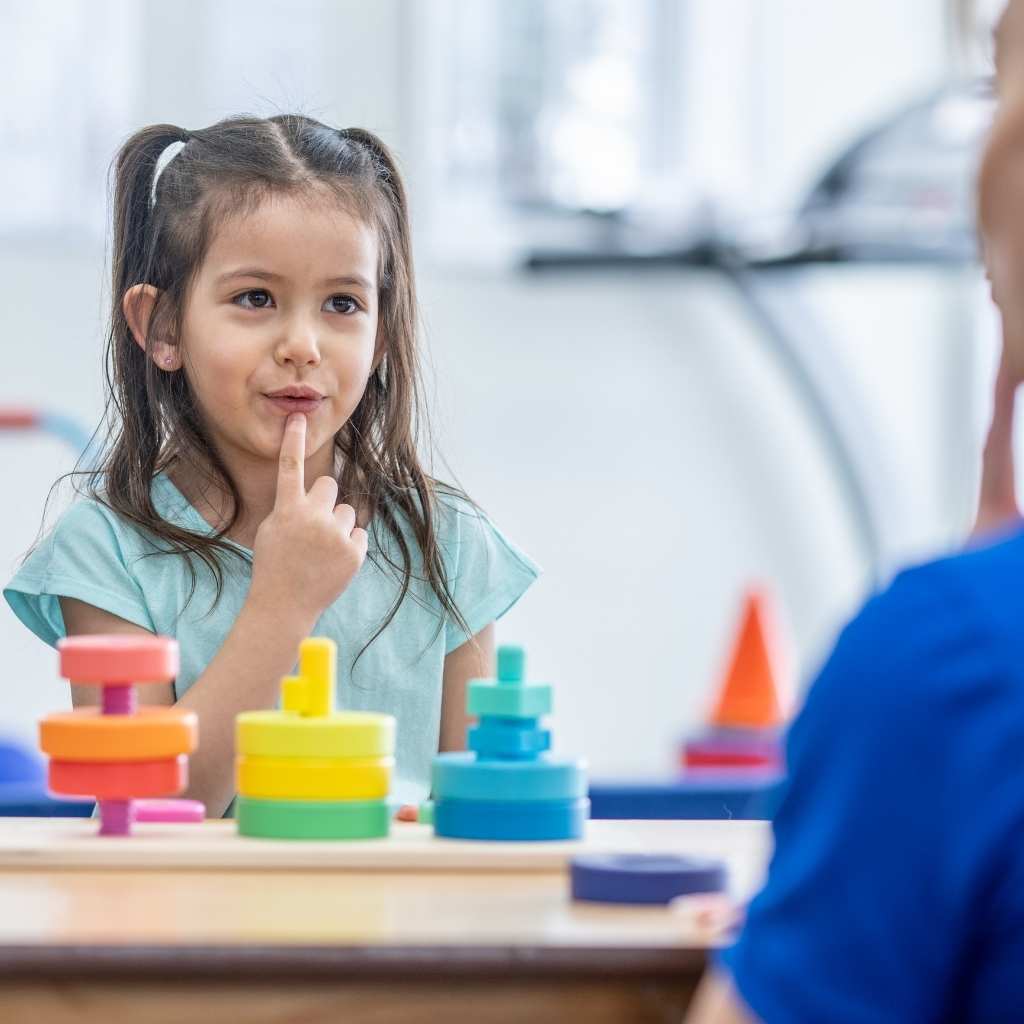
ABA Therapy often uses real-life moments like holidays to reinforce learning through positive reinforcement. For example, a child might practice requesting materials during a craft, taking turns in a game, or responding to greetings from peers. These moments allow therapists and caregivers to reinforce communication and social attempts in ways that feel natural and rewarding.
Another important concept in ABA Therapy is generalization: the ability to use learned skills across different people, places, and situations. Holidays help support generalization because they introduce new contexts while still allowing familiar skills to be practiced.
When children use communication or social skills during events like Valentine´s Day, they are strengthening their ability to apply those skills beyond therapy sessions and into everyday life.
Preparing for School Valentine´s Day Celebrations with ABA Strategies
If you’re a parent or caregiver, you already know how school-based celebrations can feel complex for children with autism, but preparation makes a meaningful difference. An autism-friendly Valentine´s Day at school often involves collaboration and structured support.
Helpful Valentine´s Day tips for autism in school settings include:
- Practicing classroom routines ahead of time
- Using visual schedules or social scripts
- Role-playing card exchanges at home
- Planning calming strategies for after school
Psychology Today highlights that experiential learning helps children make sense of social situations. Practicing these scenarios with support allows children to participate more confidently during real celebrations.
Communication supports recommended by the National Autistic Society, such as clear language and visual cues, can further improve understanding and reduce uncertainty.
How ABA Therapy Supports Learning During Holidays
Holidays like Valentine´s Day offer valuable opportunities to reinforce learning goals already addressed in ABA therapy. Rather than treating holidays as disruptions, ABA experts like the ones in ABA Centers of Pennsylvania often use them to strengthen skill generalization.
ABA therapy may support children by:
- Breaking social interactions into teachable steps
- Reinforcing positive communication attempts
- Supporting emotional regulation strategies
- Helping skills transfer across environments
By practicing these skills during meaningful events, children gain confidence and independence that extends into daily life.
ABA Centers of Pennsylvania: Helping Skills Generalize Beyond Valentine´s Day
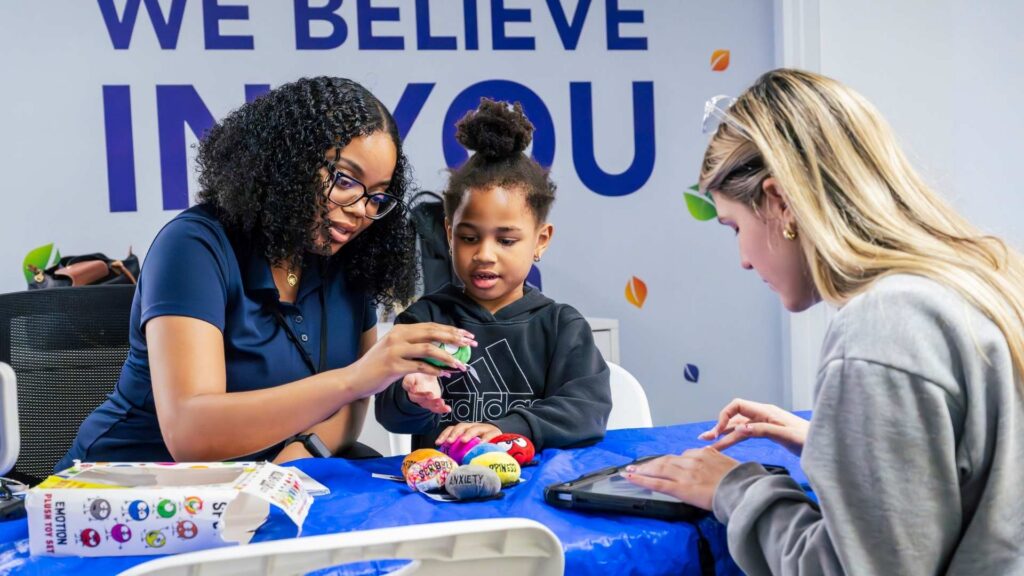
An autism-friendly Valentine´s Day is just one step in a larger journey. The goal is for skills practiced during holidays to carry over into classrooms, community settings, and home routines.
Consistent reinforcement and repetition help children apply learned skills in new situations.
At ABA Center of Pennsylvania, families receive individualized ABA therapy designed to help children build communication, social, and adaptive skills that support independence.
Whether your child is learning to navigate social situations, express emotions, or build confidence with peers, ABA therapy provides structured, compassionate support tailored to their needs.
Learn more about ABA therapy or schedule a consultation with ABA Center of Pennsylvania by clicking here or calling us at (844) 444-7496 to explore how autism-friendly strategies can support your child’s growth—on Valentine´s Day and every day.