
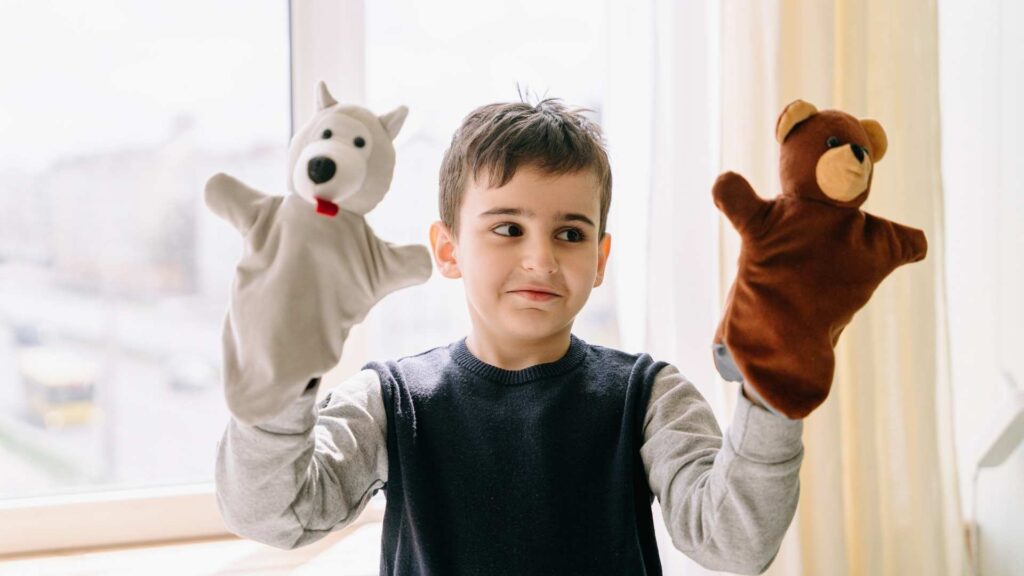

These challenges are not a lack of emotion. They reflect differences in how emotions are processed and communicated. A child’s meltdown, withdrawal, or repetitive behavior is often a form of communication, not defiance.
When caregivers recognize emotional behaviors as communication attempts, they can respond with empathy rather than correction.
Why Understanding Autism and Self-Expression Is So Important
Self-expression is how children learn who they are. It allows them to explore preferences, emotions, boundaries, and identity. For children with autism, this process may develop differently, but it is no less critical.
Research by Frontiers in Psychology shows that individuals with autism often experience differences in self-awareness, emotional insight, and perception of how others view them. These differences are closely linked to communication abilities and social experiences.
When children with autism struggle to express their emotions, they may internalize confusion or develop a negative self-image. Over time, this can contribute to anxiety, withdrawal, or low self-esteem. Supporting self-expression early helps children understand that their feelings are valid and that there are safe, effective ways to share them.
6 Practical Ways to Support Self-Expression in Autism
Supporting autism and self-expression does not require perfection. It requires patience, creativity, and a willingness to meet children where they are. Below are meaningful ways families can help children with ASD express emotions and build confidence!
Help Children Identify and Understand Emotions
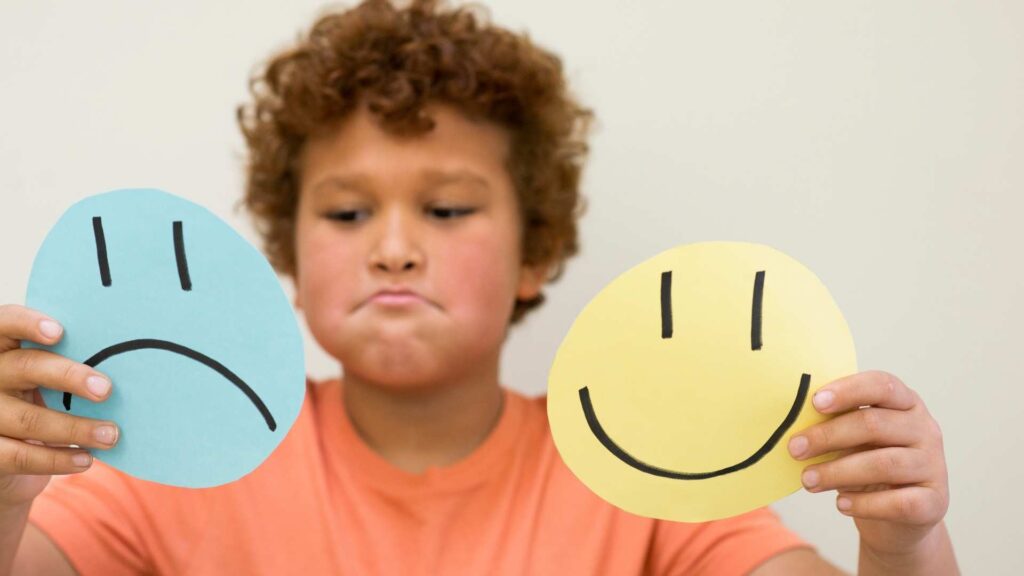
Many children with autism benefit from explicit teaching about emotions. Visual supports, emotion charts, storytelling, and role-playing can help children learn to recognize and label how they feel.
Encourage Creative Expression
Art, music, movement, and storytelling offer influential outlets for expressing emotions in autism. Drawing, painting, dancing, singing, or playing instruments allows children to communicate feelings without relying on words.
Creative activities help children release emotions, process experiences, and feel proud of what they create. These forms of expression also build emotional awareness and coping skills over time.
Honor Individual Interests and Strengths
Many children with autism have deep interests in specific topics or activities. These interests are opportunities for connection and expression.
Whether a child loves numbers, animals, trains, art, or technology, encouraging those passions helps build self-esteem. When children feel competent and valued for what they love, they are more likely to share their thoughts and emotions with confidence.
Teach Self-Advocacy in Safe Ways
Self-expression in autism is also related to self-advocacy. Children with autism benefit from learning how to communicate preferences, boundaries, and discomfort.
Self-advocacy might include:
- Using words, pictures, or communication devices
- Learning to ask for breaks
- Expressing when something feels overwhelming
- Saying no in safe and respectful ways
Practicing these skills at home builds confidence and prepares children to navigate school, social situations, and community environments more independently.
Support Emotional Regulation and Coping Skills
Change, transitions, and new situations can be difficult for children with autism. Encouraging healthy coping strategies such as sensory breaks, visual schedules, or breathing techniques supports emotional expression during challenging moments.
Promote Autism Acceptance Every Day
True autism acceptance means recognizing that there is no single “right” way to communicate or express emotions. Acceptance creates space for differences and removes pressure to mask or conform.
When children feel accepted, they are more willing to explore their identity, express themselves authentically, and develop a strong sense of self-worth.
How ABA Therapy Supports Autism and Self-Expression
Applied Behavior Analysis (ABA) therapy focuses on building meaningful, functional skills that improve quality of life.
ABA therapy can support autism and self-expression by:
- Teaching communication skills tailored to each child
- Supporting emotional regulation and coping strategies
- Encouraging positive social interaction
- Reinforcing self-advocacy and independence
- Using play, creativity, and motivation to promote engagement
ABA therapy gives children on the spectrum tools to communicate, connect, and thrive in ways that feel natural and empowering.