

Eye contact plays a role in social communication for many people. It can help communicate attention, interest, and other nonverbal information. However, autism and eye contact have a complex relationship, and direct gaze can feel uncomfortable, distracting, or overwhelming for some individuals with autism spectrum disorder (ASD).
So, can children with autism make eye contact? Yes. Many children with autism can and do make eye contact, but the frequency, duration, and comfort level vary significantly from person to person. A lack of eye contact does not necessarily mean that a child is uninterested, not listening, or unwilling to connect with others.
Some children may look briefly at another person’s face, use peripheral vision, look away while listening, or communicate engagement in other ways. Others may find direct eye contact comfortable.
At ABA Centers of Pennsylvania, we recognize that communication looks different for every child. That is why, in this blog, we’ll explore autism and eye contact: why autistic people may struggle with eye contact, what autistic eye contact can look like, and how parents can support communication without forcing a behavior that may cause discomfort.
Why Is Eye Contact Important for Communication?
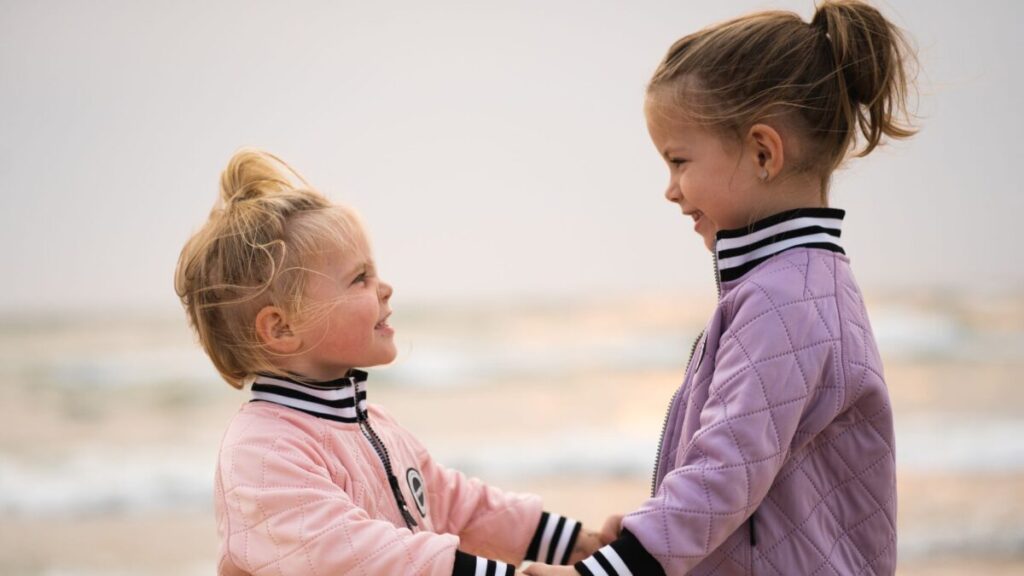
Eye contact can provide nonverbal information about attention, emotion, and social engagement, but its meaning depends on the person, situation, and culture. Direct gaze is only one part of communication and should not be treated as the only indication that someone is listening, interested, or socially connected.
Research from the National Institutes of Health has examined the emotional and psychological role of eye contact in social interactions.
Researchers tracked the eye movements of 59 participants as they watched videos of a person sharing both emotional and neutral stories. They found that individuals with higher levels of emotional empathy naturally spent more time looking at the speaker’s eyes, regardless of whether the story was emotional. The findings suggest that eye contact and empathy are closely related: more empathetic people tend to focus more on the eyes during social interactions, which may help them better understand others’ emotions.
However, communication involves much more than looking directly into someone’s eyes. Tone of voice, gestures, facial expressions, body language, words, and other behaviors also provide important information.
This distinction matters when discussing autistic eye contact because a child can listen and stay engaged even when they don’t maintain direct eye contact.
Does Lack of Eye Contact Always Mean a Child Has Autism?
No. Lack of eye contact alone does not mean a child has autism. Eye contact can vary for many reasons, including personality, anxiety, cultural expectations, attention, or discomfort. Autism is identified through a broader pattern of characteristics involving social communication and restricted or repetitive behaviors and interests.
Differences in eye contact can be one characteristic parents notice in some children with autism, but they should never be considered in isolation.
A child who rarely looks directly at another person’s eyes may still communicate through gestures, words, facial expressions, body positioning, or other forms of engagement.
Likewise, a child who makes frequent eye contact can still have autism.
If parents have concerns about their child’s development, communication, social interaction, or other behaviors, discussing the overall pattern with a qualified healthcare professional is more informative than focusing exclusively on eye contact.
Should Parents Try to Improve Eye Contact in Children with Autism?
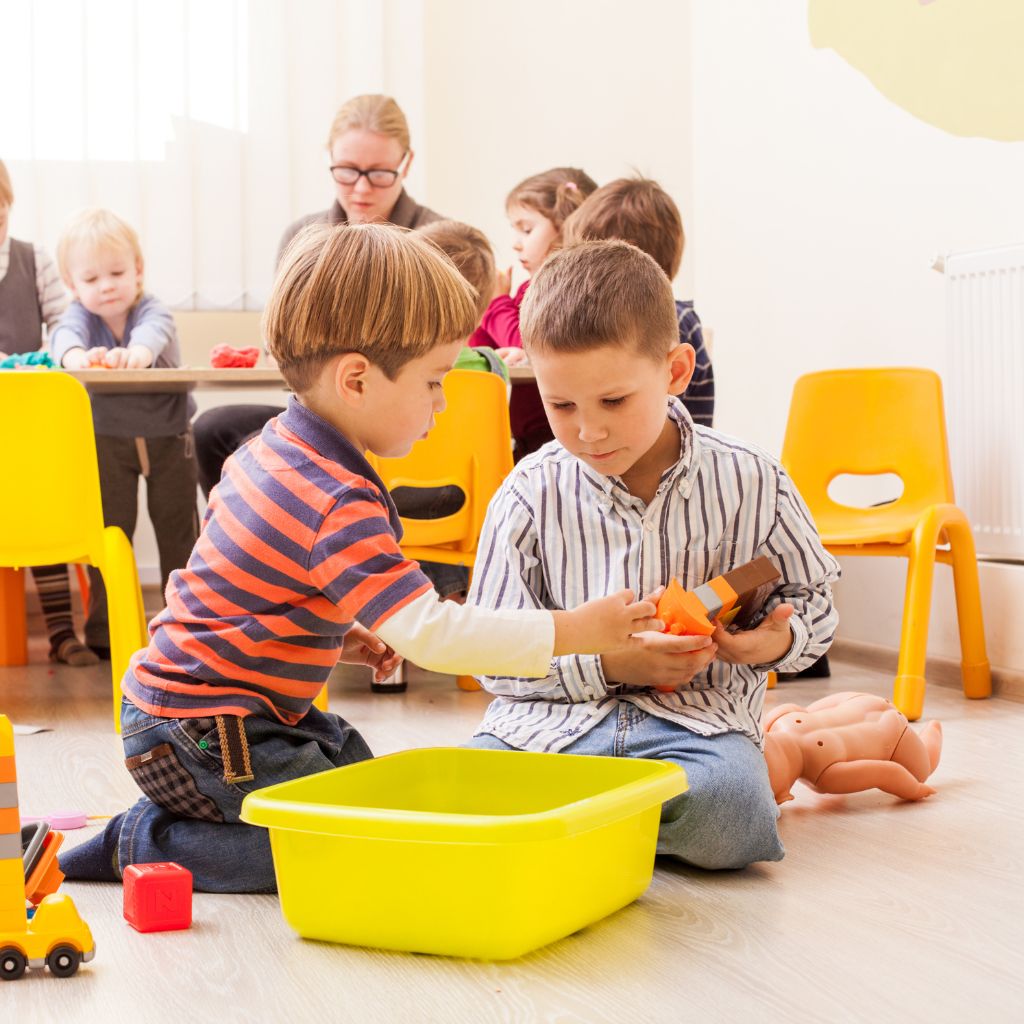
Parents do not need to force eye contact to make a child’s communication appear more typical. If a child is comfortable developing greater visual engagement, professionals may support that skill when it serves a meaningful communication goal. The priority should be effective, functional communication rather than sustained eye contact for its own sake.
Parents searching for ways to improve eye contact may understandably believe that more direct gaze will help their child communicate or connect socially.
However, progress should not be measured simply by how many seconds a child looks into another person’s eyes.
A more useful goal may be helping a child recognize when someone is communicating with them, respond appropriately, express needs, participate in conversations, or use a comfortable form of visual attention.
For some children, that may eventually include more eye contact. For others, communication may remain more comfortable when they briefly look at a person’s face, look near the person’s eyes, or periodically look away.
The appropriate goal depends on the individual child.
How Can Parents Support Eye Contact and Communication in Autism?
Parents can support eye contact in children with autism by respecting their child’s comfort while strengthening broader communication skills. Clear language, alternative ways to show attention, patience, and individualized social-skills support can help children participate in interactions without making sustained eye contact the only measure of successful communication.
Here are four strategies families can consider:
-
Allow Different Ways to Connect

Direct eye contact isn’t the only way a child can show engagement.
Your child might turn toward you, answer questions, use gestures, briefly look at your face, share an object, or respond verbally without maintaining prolonged eye contact.
Recognizing these behaviors can help you focus on communication rather than a specific gaze pattern.
-
Respect Your Child’s Comfort
Avoid physically directing a child’s face toward yours or repeatedly demanding, “Look at me,” if it causes distress.
Instead, observe how your child naturally communicates and which forms of visual attention feel comfortable.
If your child independently starts using more eye contact, let that develop without making sustained gaze an expectation in every interaction.
-
Use Clear and Direct Communication
Simple, specific language can reduce the amount of information a child needs to interpret.
Rather than relying heavily on facial expressions or implied meanings, clearly communicate what you mean and give your child enough time to process and respond.
This approach can be particularly helpful when social and environmental demands are already high.
-
Focus on Functional Social Skills
If your child needs additional support with communication or social interaction, consider interventions that focus on meaningful skills rather than eye contact alone.
Goals may include initiating communication, responding to others, requesting help, taking conversational turns, recognizing relevant social information, or participating in activities with peers.
These skills can support connection even when a child’s natural eye contact differs from conventional expectations.
How Can ABA Support Communication Beyond Eye Contact?
ABA therapy can help children with autism develop functional communication and social skills based on their individual needs. Rather than treating eye contact as the only sign of engagement, an individualized ABA program can target meaningful goals such as requesting, responding, participating in conversations, navigating social situations, and effectively communicating needs.
If a lack of eye contact affects a specific functional skill, a behavior analyst can evaluate the context and decide whether to include visual attention in an individualized treatment goal.
However, do not pursue eye contact to make a child appear “less autistic.”
For many children, more meaningful goals may involve functional communication, social interaction, independence, transitions, self-advocacy, or other skills that improve participation in everyday activities.
ABA Centers of Pennsylvania: Supporting Your Child’s Communication
Autism and eye contact can look different from one child to another. Some children make frequent eye contact, some use it briefly, and others may feel more comfortable looking away. What matters most is helping each child develop effective ways to communicate, connect with others, and participate in everyday life.
At ABA Centers of Pennsylvania, our team develops individualized ABA therapy programs based on each child’s strengths, needs, and family goals.
If your child experiences communication or social challenges, our team can help identify meaningful skills to target and develop strategies that support progress without assuming that successful communication must look the same for everyone.
Contact ABA Centers of Pennsylvania at (844) 444-7496 or message us online to learn more about our ABA therapy services and how we can support your family.