

The ASD levels do not measure intelligence, potential, or worth. They highlight how much assistance a child may require to navigate daily life with comfort and confidence. The real purpose is personalization: to give children access to care that fits their abilities and challenges.
What the Three Levels of Autism Mean
The levels of autism help clinicians explain how much support an individual needs. These levels can change over time, and many children grow, learn, and thrive with the proper intervention.
Let’s explore them in depth.
Autism Level 1
Individuals at autism level 1 need support, but often manage many aspects of daily life independently. This level is also commonly referred to as “high-functioning autism.” They may communicate with ease yet struggle to maintain conversations or understand social cues. A child at this level may prefer structure, show sensory sensitivities, or find transitions stressful.
Common characteristics include:
- Difficulty forming or sustaining friendships
- Challenges in reading body language or facial expressions
- Anxiety in unpredictable situations
- A strong preference for routines
- Intense or focused interests
Children at level 1 sometimes go undiagnosed for years because their struggles are subtle or mistaken for shyness or “quirky” behavior. Early intervention still plays a vital role in building social skills, flexibility, and confidence.
Autism Level 2
Children diagnosed with autism at level 2 need substantial support. They may use spoken language but find reciprocal communication challenging. Daily routines, emotional regulation, and transitions require more structured assistance.
Common characteristics include:
- Noticeable communication differences
- Difficulty coping with change
- Sensory sensitivities that affect participation in school or play
- Reliance on predictable routines
- Limited engagement in social interactions without prompting
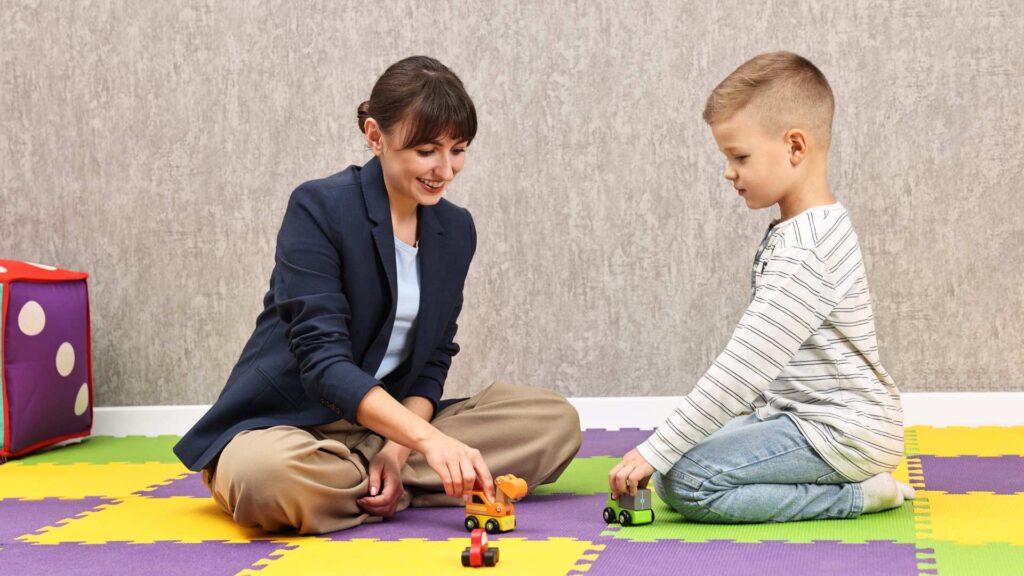
These children benefit from consistent intervention that builds foundational communication skills, strengthens adaptive behaviors, and supports emotional regulation.
Autism Level 3
Individuals at autism level 3 need very substantial support. They may communicate minimally or through nonverbal methods, and they may depend on predictable environments and continuous assistance throughout the day.
Common characteristics include:
- Limited expressive communication
- Strong reactions to sensory input
- Intense need for routine
- Significant challenges with transitions
- Repetitive movements that help regulate emotions
A child at this level benefits from highly personalized, structured interventions that emphasize communication, daily living skills, sensory regulation, and emotional safety.
Why the Levels of Autism Matter
Understanding levels of autism helps families gain clarity about their child’s needs. Instead of guessing what kind of support might help, autism levels provide a roadmap. They help guide decisions about therapy, school services, and home supports. They also help families understand why their child may struggle in certain situations and excel in others.
Importantly, the levels serve as a starting point, not a prediction. Many children improve their skills, independence, and social engagement with the right therapies.
How Do Clinicians Diagnose Autism and How Are Its Levels Determined?
Diagnosis involves several steps, blending developmental history, observation, and validated assessment tools.
Developmental Screening
Pediatricians may first identify delays or differences in communication, play, or social responses. If concerns arise, they ask for an additional comprehensive evaluation.
Full Diagnostic Evaluation

This evaluation includes psychologists, developmental pediatricians, or other specialists who analyze behavior, communication, and developmental milestones.
Tools Used
Professionals may use assessments like:
- ADOS-2
- CARS
- Structured interviews
- Cognitive and language evaluations
Once the evaluation is complete, clinicians determine which ASD level reflects the child’s current support needs. These levels may evolve as a child learns new skills or faces new challenges.
How ABA Therapy Supports Children Across All Autism Levels
ABA therapy adapts to each child, regardless of their diagnosis or autism level. Because ABA focuses on individualized goals and meaningful skill development, it supports children across the spectrum in unique and effective ways.
ABA therapists help children:
- Strengthen communication, whether verbal or through AAC
- Build social and play skills
- Improve emotional regulation
- Learn daily living skills like dressing, eating, and hygiene
- Increase independence
- Reduce behaviors that interfere with learning or safety
- Build tolerance for changes and transitions
- Navigate sensory challenges in manageable ways
ABA works because it respects the child’s pace and learning style. Instead of forcing a “one size fits all” approach, ABA adapts the environment, the teaching methods, and the goals to what the child truly needs. Skills are taught incrementally, with reinforcement that matches the child’s interests and motivation.
Children at every level of autism can benefit from ABA therapy. A child at level 1 may work on flexible thinking or conversational skills. A child at level 2 may practice communication foundations or self-help skills. A child at level 3 may focus on safety, sensory regulation, and functional communication.